![Can I Sell My House If I'm Behind On Payments [market_city]](https://image-cdn.carrot.com/eyJidWNrZXQiOiJwcm9kdWN0aW9uLmNhcnJvdC11cGxvYWRzLm9uY2Fycm90LmNvbSIsImtleSI6InVwbG9hZHMvc2l0ZXMvMjU4NzAvMjAyNi8wOC9DYW4tSS1TZWxsLU15LUhvdXNlLUlmLUltLUJlaGluZC1Pbi1QYXltZW50cy5wbmciLCJlZGl0cyI6eyJyZXNpemUiOnsid2lkdGgiOjExNTJ9LCJ0b0Zvcm1hdCI6IndlYnAiLCJ3ZWJwIjp7InF1YWxpdHkiOjcwfX19)


You open the mailbox, and there it is again. Another letter from the servicer. Maybe you’ve missed two payments by now, maybe four. The panic is real. So is the quieter question underneath it: can you still sell this house before things get worse?
Almost always, the answer is yes. The window just shrinks the longer you wait.
Selling While Behind: What Skeptical Sellers Get Wrong
Most sellers in this spot assume the bank already owns the house. They don’t. Until a foreclosure sale actually closes with a new owner, or the lender takes title, the property is still yours. You can list it, negotiate, and sell it. Every day before that sale finalizes, you’ve got options.
Sellers get the second part wrong too. They assume the lender wants the house. It doesn’t. Servicers don’t want your property, and they aren’t in the real estate business. Processing a foreclosure runs slow and expensive for them, with an unpredictable finish. A voluntary sale almost always beats a forced one from where they sit, which hands you more leverage than most sellers feel while staring at a pile of default notices.
Early last year, I worked with a seller in Fresno, California, a widow who’d had a contractor quote kitchen repairs she figured she needed before she could sell. His estimate ran higher than the kitchen was worth against the rest of the house. She sat on the property for months, sure she couldn’t sell without fixing it first, while the debt kept climbing. We bought the house as-is the week after she called. The repairs were never the real problem. Fear of picking up the phone was.
Selling while in default means your proceeds at closing go first toward your first-lien mortgage, then any second liens and other claims, before you pocket a dollar. That’s not a trap. It’s how real estate law works everywhere. Knowing what you owe and what the property is worth lets you plan around it. As of June 2026, the national median home sale price sat at $440,600, according to the National Association of Realtors. Plenty of homeowners behind on payments still hold usable equity at that level, especially after a few years of ownership.
Can You Sell Your House If You’re Behind on Mortgage Payments?

Average home value across the United States sits at $370,320, up 0.7% over the past year, per Zillow’s June 2026 data. Modest appreciation still counts for something. Homeowners who bought two, three, or five years back often hold equity in their property even after missing payments, and that equity is what gives you a real exit.
Selling while behind on a mortgage runs the same as a normal sale, just with more urgency around the numbers. Your property carries a lien held by your lender, and that lien gets paid at closing from the sale proceeds. You don’t have to bring the loan current before listing. You need a buyer willing to close at a price that covers what you owe. When the sale price clears your outstanding mortgage balance, fees, and costs, your lender signs off, the transaction closes, and the debt is gone.
Equity sellers hold the most flexibility. You can list with a traditional agent, sell straight to a cash buyer, or refinance if your credit still clears the bar. Teams like Kind House Buyers work with sellers in this exact spot every week. No repairs. No showings. No wondering whether financing falls apart at the last minute.
Falling behind on your mortgage doesn’t change how the sale works, but it does change how much time and equity you have left. Every missed payment adds late fees, interest, and other default-related costs that increase what you owe. The longer you wait, the more of your equity is consumed by those growing balances. If you’re trying to sell your house fast in Tacoma, acting sooner can help you preserve more of your proceeds and avoid the financial pressure that comes with a prolonged default.
How Far Behind on Payments Can You Be Before You Lose the Option to Sell?
Wait too long, and a solvable situation turns irreversible. Once a foreclosure sale gets scheduled and a date is on the calendar, your window to sell narrows fast, and in some states it slams shut the moment the gavel falls.
Under federal rules, the legal foreclosure process generally can’t start until you’re at least 120 days behind on your mortgage. After that, how long you have before an actual foreclosure sale depends on your state. That 120-day pre-foreclosure window exists to give you room to explore options. In my experience buying houses, sellers who use that time early keep far more of it. Most sellers who call us inside this window still have space to run a normal sale.
In California, lenders can foreclose in two ways: a nonjudicial process handled outside of court, or a judicial foreclosure that runs through the courts. The nonjudicial route is the common one. Foreclosure begins when the lender records a Notice of Default against your property, and that notice spells out the full amount you owe, missed payments, and fees included. From that Notice of Default, you get 90 days to pay what’s owed. Miss that, and a Notice of Trustee Sale gets recorded against your property.
Judicial foreclosure states make the lender file a lawsuit and win court approval first, which can run six to twelve months or longer. A slower timeline actually helps sellers who need room to find a buyer or negotiate a short sale approval.
The honest answer to how far is too far: it depends on your state, your loan type, and how fast your lender is moving. What holds everywhere is this. The seller who calls on day 30 of default still has choices; the seller on day 180 has lost. Getting curious early costs you nothing, even before you’ve decided anything, and finding out usually takes one phone call.
What Happens to Your Home Sale Proceeds When You Owe More Than You Think?
Once the foreclosure clock makes sense, look hard at where your money lands at the closing table.
Your mortgage lender holds a first-lien position on the property, so they get paid first from any sale proceeds. Add a second mortgage, a home equity line, or any judgment liens on the property, and those claims settle in order of priority behind the first-lien holder. Whatever’s left, if anything, comes to you.
Sellers get blindsided by how much has stacked up. Late fees accrue from the first missed payment. Interest keeps adding to the balance. Some loans carry prepayment penalties on top. Add four or five missed payments and the fees riding on each one, and your real payoff can land several thousand dollars above your last statement. Call your servicer, ask for an official payoff quote before you price the property, and know that the quote is good for 30 days. That number is the floor your sale price has to clear.
Selling costs also eat into the proceeds. Budget for somewhere between 6 and 10 percent of the sale price to vanish on a traditional listing, most of it for the real estate agent commission. Selling straight to a direct cash buyer usually means lower commissions or none at all, which can make the numbers work where a traditional sale wouldn’t.
If you owe more on your mortgage than your home is currently worth, you’re dealing with a different set of challenges that requires a different approach. The good news is that you still have options. In the next section, we’ll cover the strategies available to underwater homeowners and explain when working with a company that buys houses in Washington may be the fastest path to moving forward.
How to Sell Your Home Before the Bank Forecloses

Sit across the table from enough sellers in default, and you hear the same line: “I didn’t think I had enough time.” Time is the thing people underestimate almost every time.
As of May 2026, nearly 1.5 million homes sat for sale across the United States, with a median of 49 days on market, per Redfin. Add a traditional listing to another 30 or so days to close, and you’re looking at roughly 80 days from list date to funded closing. Set that against the 120-day pre-foreclosure window federal rules hand you. A traditional sale is tight but doable if you start on day one instead of day thirty.
A faster path is selling straight to a cash buyer. No financing contingency means no last-minute collapse, so the offer you sign on Monday is almost certainly the one that funds. Most cash transactions close in two to three weeks, sometimes quicker. Speed matters when a foreclosure auction date already sits on the calendar.
Before you list anything, call your servicer and ask about a loss mitigation agreement. Servicers have to review loss mitigation applications before pushing ahead with foreclosure in many cases, so the clock may not run as fast as you fear. That review can buy you extra weeks, sometimes months, while you pull your sale together.
Kind House Buyers works with homeowners in pre-foreclosure all the time. They can put a cash offer in front of you fast and set a closing timeline built around your situation. Sometimes the whole goal is getting closed before one specific date, and a direct buyer hands you control over that date in a way a traditional listing never can.
One move sellers in this spot skip too often: talking to a HUD-approved housing counselor. Contact a HUD-approved housing counseling agency for free, expert help on avoiding foreclosure. I’ve sent more than a few sellers there. They won’t push you one way or the other, and they read local options better than almost anyone.
What Is a Short Sale and When Does It Make Sense?
A short sale isn’t a bargain for the buyer. It’s a negotiated loss for your lender, and that distinction matters more than it sounds.
In practice, a short sale happens when your home sells for less than you owe on the mortgage, and your lender agrees to take that smaller amount as full satisfaction of the debt. The lender calls the shots here, not you. You can line up a buyer at a set price, but your servicer has to approve the transaction before it closes.
Mechanically, you sell the home for less than the outstanding mortgage balance, which is what makes a short sale worth doing when you’re underwater. It’s a way out of a loan that dwarfs what the place is even worth, and a way to sidestep foreclosure once the payments turn unaffordable. Lenders go along because a short sale resolves faster and cheaper than grinding through a full foreclosure.
Short sales take time. The lender’s review of your hardship documentation, the property’s value, and the offer on the table can stretch things across several months. During that review, the foreclosure clock might pause or might not, depending on your servicer and your state’s laws. If you suspect you’re underwater, start this as early as you possibly can.
You might have to cover the gap between what your home sells for and what you owe on the mortgage, or your lender might forgive that deficiency balance outright. Pin down the deficiency question with your lender before you agree to anything. Whether California law or another state’s real estate law governs your loan changes how that deficiency gets handled. An attorney who knows your state’s real estate laws is worth a conversation before you sign.
How a Short Sale Affects Your Credit Compared to Foreclosure
A family in Boise falls three months behind after a job loss. They call their servicer too late, lose the house to foreclosure in court, and spend the next several years locked out of any new home loan. Two streets over, a nearly identical family runs a short sale eighteen months sooner. Their credit still took a hit. But they’re back in the market faster, because the short sale closed that chapter on their own terms.
Short sales usually pull a credit score down 100 to 150 points. Foreclosure tends to knock off 100 to 160 points, sometimes more. Those ranges overlap, which fools people into treating the two outcomes as the same. They aren’t, because the recovery timeline is where they split.
After a foreclosure, the mark can sit on your credit report as a derogatory item for up to seven years. A short sale usually carries a similar reporting window, yet the road back to a new home loan tends to be shorter. After a foreclosure, getting approved for another property can be brutal. After a short sale, you might qualify for another home loan in as little as two to three years. I’ve watched buyers pull it off inside that window.
FICO data tells the counterintuitive part. Someone sitting at a 680 credit score before foreclosure loses 85 to 105 points. Someone at a 780 score before foreclosure loses 140 to 160 points. Better credit gets punished harder, which means the more you have, the more you stand to protect by acting early. Moving fast with a short sale or a direct sale guards more of your score while it’s still relatively intact.
A short sale with no reported deficiency balance can hurt your scores less than a foreclosure will. The hit shrinks further if you never missed payments before selling the home.
What Is Foreclosure and How Does the Process Work?
Losing the home is rarely sudden. The timeline runs longer than most people expect, stretching over months and often past a year, packed with notices and deadlines and legal steps that follow a set sequence.
The foreclosure process officially starts once you’ve missed several mortgage payments and your lender issues a Notice of Default, which lands after 90 days of nonpayment. That Notice of Default is a legal document, recorded in public records, and it starts the clock on the pre-foreclosure period. Missing payments before that point piles on late fees and dents your credit, but it doesn’t automatically set a sale date.
In most cases, federal law hands you a 120-day pre-foreclosure period before a mortgage lender or servicer can officially start a foreclosure. That window is your opening to explore loss mitigation options: a loan modification, a repayment plan, or forbearance. While it’s open, a submitted and still-pending loss mitigation application can hold the foreclosure back from moving forward.
Once foreclosure begins, the process splits into two tracks depending on your state. Judicial foreclosure states make the lender sue you in court and win a judgment before the property can go to auction. Non-judicial foreclosure states move quicker, leaning on the power of sale clause in your deed of trust, and in states like California, the whole thing can wrap up without a court ever stepping in. After the foreclosure sale, a sheriff’s deed goes to the highest bidder, or the property reverts to the lender and becomes what’s known as REO.
A house usually sits in pre-foreclosure for about three months, and that stretch is your chance to take steps and prevent foreclosure. After the sale itself, some states grant a redemption period that lets you reclaim the property by paying the full debt. Others grant nothing. Your county clerk’s office, or a real estate attorney in your state, can tell you whether a redemption period applies and how long it runs.
Loan Modification, Forbearance, and Other Ways to Keep Your Home
Maybe selling isn’t what you want at all. Maybe the missed payments came out of a temporary rough patch, and you fully intend to stay put.
A forbearance agreement is the fastest relief most servicers can put on the table. It gives mortgage borrowers short-term breathing room. The lender agrees to reduce or suspend mortgage payments for a set period. Your lender usually arranges it in advance, letting you skip payments or pay lower amounts. Remember that forbearance isn’t mortgage forgiveness. Every unpaid dollar under the forbearance has to be paid back eventually. According to the Mortgage Bankers Association, roughly 180,000 homeowners were in forbearance as of March 2025.
Loan modification goes a step further than that. At its core, a loan modification is an agreement between you and your lender to change the original terms of your existing mortgage, aimed squarely at clearing missed payments and dodging foreclosure. The lender might drop your interest rate, stretch your repayment term, or fold missed payments into the new balance. Qualifying means proving financial hardship, a job loss, or heavy medical bills, showing you can’t cover current payments, and demonstrating you can handle the modified payment terms.
Refinancing is a third path, but it takes real equity and a credit score that still clears lender standards. Once you’re deep behind on payments, landing a refinance gets harder, not impossible, just harder. If a rate move makes sense, chase it before you fall behind, not after.
If the Federal Housing Administration or the U.S. Department of Veterans Affairs backs your loan, you may qualify for a modification under their programs built for borrowers with those mortgages. Each program sets its own eligibility rules, so call your servicer directly and ask what’s on offer for your specific loan type.
Should You Sell or Hold Out When You’re Behind on Payments?
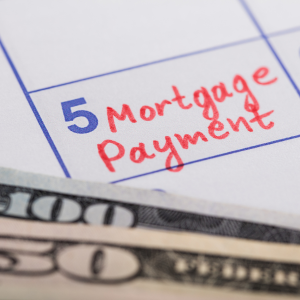
A seller in Tucson called on a Thursday afternoon, worn down after two agent listings expired without a single offer. He’d held out for a price that felt better in his head than on paper. Meanwhile, his missed payments stacked up, his credit slid with every reporting cycle, and his real equity thinned out month by month. He had more to work with on that first call to an agent than he did by the time he called us. The gap between what he pictured netting and what was actually left by the time he was ready to sell had almost closed. I’ve watched that happen more than once.
Holding out makes sense in exactly one scenario: you’ve got equity, you’ve got time, and the market where you live genuinely rewards waiting. With 39% of U.S. listings cutting their prices in 2025, the market isn’t handing sellers any favors for sitting tight and hoping for a windfall that may never arrive.
Selling makes sense when the cost of staying put runs higher than the cost of walking away. Every month in default piles late fees onto your balance, nudges your credit toward a foreclosure note, and shaves down the proceeds you’d leave with. Run the math on your specific loan. Take your current payoff balance, add one more month of fees and interest, hold it against your property’s realistic sale price, and look at where the line is actually heading.
Two more questions deserve honest answers. Can you actually afford to get current and stay current once a forbearance ends? And is whatever knocked you off track still true today, or has your situation really shifted? Those answers steer you toward either a workout with your lender or an exit through a sale. In my experience, the second question is the tougher one to face without a little denial sneaking in.
Key Takeaways for Homeowners Behind on Their Mortgage
For years, my default advice to anyone behind on payments was simple: try the loan modification first, every single time. That was wrong. Modification eats time, lenders don’t always approve it, and sellers who burned months chasing a modification they never got walked away with fewer options and less equity than if they’d chosen to sell earlier. The right call depends on your income, your equity, and how badly you actually want to stay in the home.
Pull the research and the on-the-ground experience together, and the pattern is clear. You can sell at any point before the foreclosure sale closes. Your equity position sets your options. With equity above what you owe, a traditional sale or a direct cash sale is usually the cleanest exit. Underwater, a short sale needs lender approval, but it still beats foreclosure for most homeowners’ credit recovery and future home-buying prospects.
The legal window matters most of all. Federal law creates a 120-day pre-foreclosure buffer before a servicer can officially open foreclosure proceedings, and that stretch is where most of your real choices live. Once the foreclosure sale is scheduled and you’ve blown past your state’s reinstatement deadline, your options collapse fast.
Keeping your mortgage current protects everything downstream: your credit, your equity, and your shot at qualifying for housing again. When staying current stops being realistic, selling fast before your proceeds evaporate beats waiting on a rescue that doesn’t always show up.
If time is running out before a foreclosure auction, selling directly can give you far more control over the outcome. Kind House Buyers buys houses cash, allowing homeowners to skip the traditional listing process, avoid financing contingencies, and choose a closing date that works with their timeline. When you still have equity to protect, moving quickly can make a significant difference. Contact us today to learn how we can help you sell your house fast and avoid the uncertainty of foreclosure.
Frequently Asked Questions
How Many Months Can You Be Behind on Your House Payment?
Federally, a servicer generally cannot start the legal foreclosure process until you are at least 120 days behind on your mortgage. That translates to roughly four missed monthly payments before the formal foreclosure process can begin. Missing one or two payments puts you in default and triggers fees and credit reporting, but you still have significant time to sell, modify, or catch up.
Can I Sell My Home If I Am Behind on Payments?
Yes, absolutely. Being behind on your mortgage doesn’t remove your right to sell. As long as the foreclosure sale hasn’t already closed with a new owner taking title, you own the property and can sell it. The sale proceeds will first pay off your mortgage balance, accrued fees, and any other liens, with any remaining funds going to you.
Can You Sell Your House If You Have Missed Mortgage Payments?
Missed payments create urgency but not an automatic barrier to selling. Your bank may begin the pre-foreclosure process when you are 90 days behind, and you still own the property. Unless you work out an agreement with your lender or sell before the house is auctioned off, you will lose the home to foreclosure. Sellers with equity can often complete a traditional or cash sale. Sellers who owe more than the home is worth may need to pursue a short sale with lender approval.
How Many Months of Mortgage Arrears Before Repossession?
The number of months before a lender can move toward an actual foreclosure auction varies by state and loan type. The federal minimum is 120 days of missed payments before formal proceedings can begin. Foreclosure officially begins when the lender files a Notice of Default. From that point, the full process can take anywhere from six months to over a year, depending on court schedules, legal defenses, and case complexity. Contact your servicer and a HUD-approved housing counselor early; your state’s specific timeline and your loan’s terms both affect how much time you actually have.
If you want to talk through your options with someone who’s been through this a few hundred times, we’re here. No pressure, no obligation, and no judgment about how you got here. Reach out to Kind House Buyers whenever you’re ready.