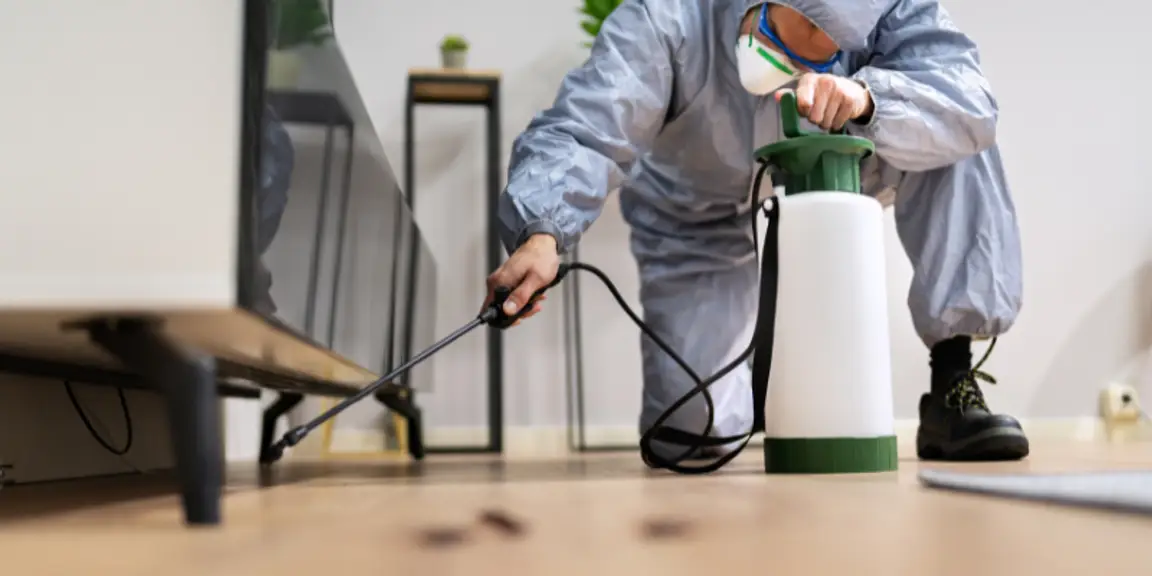

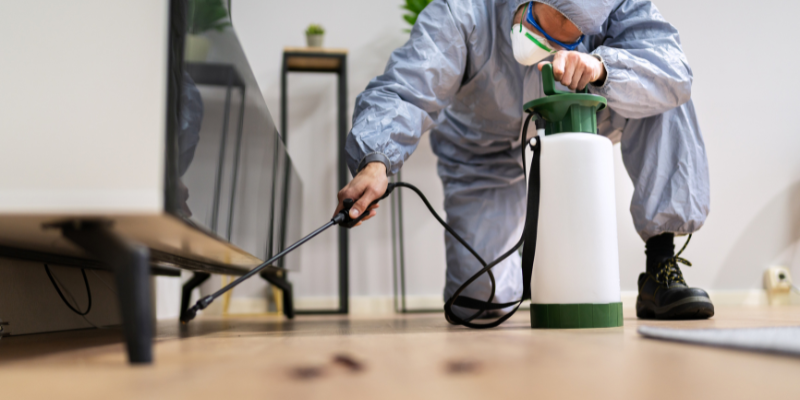
Most homeowners in Tacoma’s North End or South Tacoma never think about termites. Then a buyer’s lender flags something three days before closing. No one is happy at that point. Timelines stretch, costs pile up, and a seller who thought they were nearly done starts calling around for a licensed pest control company mid-transaction.
Knowing where you stand before you list is worth the hour it takes. Tacoma’s wet winters matter here because moisture is what draws wood-destroying insects in the first place. A termite bond is where that talk usually starts.
Do I Need a Termite Bond to Sell My House in Tacoma, WA?
Sellers push back on this, and the argument is fair. Washington isn’t Georgia. Termite pressure here really is lower. VA guidelines don’t automatically require a wood-destroying insect inspection in Washington, which sits in the discretionary category. So with a conventional loan, no state law and no blanket lender policy force you to carry a termite bond before closing.
That word discretionary carries weight, though. In a low-risk state, the inspection only kicks in if the VA appraiser spots trouble: damaged wood, staining, sagging floors, mud tubes. One flagged detail on the walk-through turns a non-required inspection into a required one. Washington adds a wrinkle. If an appraiser does order the inspection, it has to identify rot and the conditions feeding it, not just insects.
The Federal Housing Administration works much the same way. Its appraisers observe the foundation and perimeter for evidence of wood-destroying pests. If evidence of infestation or a prior treatment is noted, the appraisal becomes subject to inspection by a qualified pest control specialist. Older Craftsman bungalows around Hilltop or Proctor have original framing everywhere. Appraisers notice.
No law requires a termite bond to list your home in Tacoma. Whether one ends up mattering depends on your buyer’s loan type, what the appraiser writes down, and the shape your framing is in.
What Is a Termite Bond and How Does a Termite Contract Work?

Pest control brochures bury the renewal terms on page two. The annual renewal fee sits separate from your upfront cost, and missing a single renewal can void the whole warranty.
A termite bond is a protection plan. You and a pest control company sign a contract; the company inspects your property for termites once a year, and if termites turn up, it treats them. Damage repair depends on which termite bond you bought.
Two broad types exist. Retreat-only means the company comes back and treats, but structural repairs fall on you. A repair bond covers treatment plus the wood damage, up to whatever cap the contract names.
Most termite bonds transfer to a new homeowner, though companies often charge a transfer fee of $25 to $100. An active, transferable bond reads well to buyers, because it proves the home has been inspected on a schedule by someone licensed. Tacoma homes sold at a median near $485,000 as of July 2026. In a market priced like that, a paper trail on upkeep earns notice, and sellers who can hand over years of inspection records tend to move faster.
How Much Does a Termite Contract Cost in Tacoma, WA?
Pest control pricing swings hard between companies. Taking the first number you hear can cost you a few hundred dollars for nothing.
A basic bond covering the annual inspection plus free re-treatment runs $150 to $300 a year. Premium coverage that also pays for damage repair up to a set cap runs $300 to $500 a year. Starting a termite bond from scratch costs more, so figure $500 to $2,500 up front for the initial treatment and your first year of coverage.
Treatment prices move with the method. A full liquid barrier around a house runs $700 to $2,200. Spot foam injection, used when the problem sits in one small area, runs $300 to $800. Bait systems cost $1,500 to $3,500 to install, plus $220 to $500 a year to monitor. Washington’s cool, damp climate keeps local pricing toward the lower end of national ranges, since termite pressure here isn’t what pest companies handle in Georgia or South Carolina.
Get estimates from at least three companies before making a decision, since termite treatment coverage can vary significantly from one provider to another. Pricing typically depends on factors such as your home’s age, square footage, foundation type, and whether the crawlspace is easily accessible. Tight or difficult-to-reach crawlspaces often cost more because they require additional labor. If you’re looking to sell your house fast in Tacoma, ask each company to separate the initial treatment cost from the annual termite bond renewal. A low upfront quote may come with expensive renewal fees later. The inspection itself can cost anywhere from $0 to $250, although many termite companies offer inspections at no charge.
Is a Termite Contract Worth the Money?
For most Tacoma homeowners, a termite bond sits in a gray zone. Risk here is real but modest next to the Southeast. A bond earns its keep on an older home, one with a crawlspace, or one with a previous infestation. A 1920s Craftsman near Wright Park with original sill plates and a damp crawlspace is a different animal than a 2015 build on the Eastside sitting on a concrete slab.
Worst-case repair math favors coverage. Termite damage repair runs $1,000 to $9,000 in most cases, and severe structural work can cost more than $30,000. One infestation in floor joists or a load-bearing beam wipes out years of bond payments in a single invoice.
Read the cap before you sign anything. Two repair bonds can cost nearly the same and cover wildly different amounts of damage. Ask what a bond excludes, too. Most termite agreements exclude damage that existed before the bond started, which is exactly the damage an older Tacoma home tends to have.
A retreat-only termite bond at the lower tier is probably worth keeping if your home is old or has a moisture history. Full repair coverage makes more sense once you’ve already paid for an infestation. Newer construction on a slab makes a weaker case, and your upkeep dollars do more good elsewhere.
How to Check Your House for Termites Like a Pro
Species matter on this side of the state. The Pacific dampwood termite is the one that turns up most west of the Cascades, while the western subterranean termite is more common east of them. Washington State University has mapped known subterranean termite locations around Tacoma, so both belong on your radar.
Termites leave a trail. Mud tubes along foundation walls, framing that sounds hollow when you knock a baseboard, small piles of frass near structural members, and discarded wings on a windowsill. Entry happens where framing sits close to soil, so check porch supports, steps, posts, and sills. Moisture makes it worse, and it comes from soil contact, leaky plumbing, bad gutters, or bad grading. Dampwood termites go after wood soaked by condensation in a poorly ventilated crawlspace, which describes plenty of Tacoma houses.
A while back, we worked with three siblings who had inherited a rental home in the Lincoln District. A management company had run it for years, and nobody had opened the crawlspace. On the walkthrough, we found mud tubes along the perimeter stem wall and two soft subfloor joists. Getting ahead of that before a buyer’s appraiser found it first is what saved the sale.
Ask for the right thing when you call. Pest professionals call this a WDO inspection, short for wood-destroying organism, rather than a termite inspection. The report often lands on form NPMA-33, the HUD-approved report pest inspectors fill out. HUD requires that form when local practice or state rules call for it, when an active infestation turns up, or when the lender asks.
Timing helps more than people expect. An inspection you order yourself, two months before you list, leaves room to handle a problem on your own schedule and at your own cost. An inspection a buyer orders after mutual acceptance leaves the seller three weeks and a contractor who knows it. Same property, same finding, very different position to sell from.
How Termite Damage Affects the Sale of Your Home
Termite damage costs more than the repair bill. It draws lender scrutiny and sometimes kills financing. Sellers end up on rushed contractor schedules. An appraiser who notes structural concerns can hold up loan approval until repairs are documented and re-inspected, which pushes closing back by weeks.
FHA and VA lenders watch closely. Under FHA rules, evidence of past or current infestation triggers an inspection, and the lender has to obtain proof of any required treatment before the loan moves forward. Repairs get finished first. Closing waits.
Buyers ask for credits once damage shows up in an inspection report, and those requests rarely come in small. The credit request tends to run past the repair estimate, because the buyer is pricing an unknown. A seller whose property already carries a termite bond and a clean inspection history has something concrete to push back with. A seller without one is negotiating against a guess.
Disclosure isn’t optional in Washington, either. RCW 64.06.020 requires sellers to deliver Form 17, the residential real property disclosure statement, within five business days of mutual acceptance, and the buyer then has three business days to rescind. Known termite history belongs on that form. Damage you disclose with repair records reads like a homeowner who stayed on top of things. Damage a buyer’s inspector finds instead reads like risk.
If your home has termite damage and you want to avoid the repair, treatment, and reinspection cycle, selling the property as-is to a direct buyer can be a practical alternative. Homeowners looking to sell their house fast can also consider companies that buy houses in Washington. Kind House Buyers works with Tacoma homeowners in these situations, purchasing properties regardless of their pest history, needed repairs, or structural condition. The same terms apply a few miles north, where we buy houses in Puyallup in the same condition.
How to Repair Termite Damage Before You List Your Home
Appraisers and lenders can tell cosmetic work from structural work. A board nailed over soft subflooring isn’t a replaced floor joist. Any repair to wood-destroying organism damage should go through a licensed contractor with paperwork, because your buyer’s lender will probably ask for proof that the infestation was treated before the carpentry started.
Sequence isn’t negotiable. Treatment first, structural repair second, documentation of both before you list. Skip the treatment and go straight to carpentry, and the termites keep working inside the repair. A licensed inspector will find them.
A minor repair near a crawlspace hatch might run a few hundred dollars. Repairs to floor joists, sill plates, and rim joists cost real money and take real time. Sellers routinely misjudge that cost gap while they’re setting a list date.
One family in Fircrest had inherited a property packed with decades of belongings. Once we reached the garage sill plate, the damage ran deeper than anyone expected. Rather than put them through a two-month repair cycle, we bought the house as-is and handled the rest. That was the right call for them.
For sellers looking for a simple, hassle-free option, Kind House Buyers buys houses for cash in any condition across Tacoma and Pierce County. Owners at the south end of the county usually start with our page for cash home buyers in Lakewood. If you’re ready to skip the traditional listing process and explore a straightforward sale, contact us today.
Frequently Asked Questions
Can You Sell a House Without a Termite Contract?
Yes. Washington doesn’t require sellers to carry a termite bond or produce one as a condition of sale. With conventional financing and an appraiser who flags no wood damage and no signs of infestation, a termite bond never comes up. It matters on VA loans, FHA loans, and any appraisal where visible damage or evidence of past activity gets noted.
How Much Do Termite Bonds Usually Cost?
Annual renewal on a termite bond runs $150 to $500 in most cases, with retreat-only agreements at the low end and repair-inclusive plans at the high end. Setup costs are separate and cover the first inspection plus any treatment the home needs. Your home’s size, foundation type, and the pest control company you hire all move that number.
Is It Bad to Not Have a Termite Bond?
Not inherently, and not here, where risk sits below the southeastern states. The case for skipping it weakens if your home is older, has a crawlspace, or sits somewhere with a documented moisture problem. An infestation a buyer’s inspector uncovers mid-transaction disrupts far more than a year of bond payments. If you’re unsure where your property lands, a one-time inspection from a licensed pest management professional tells you plenty without committing you to a termite bond at all.
Is It Hard to Sell a House That Has Had Termites?
It’s doable, and Tacoma homes with that history sell every year. Documentation is the whole game: proof that a licensed pest control company treated the infestation, plus proof that the structural repairs got done right. Buyers and their lenders respond to paper trails. If you’d rather skip repairs and sell the home as it stands, a direct buyer like Kind House Buyers can make an offer on it in its current condition, no repairs required.
If you want to talk through a property with termite history, pest damage, or deferred maintenance, we’re around. No pressure and no obligation, just a straight conversation about what fits your situation.