

To make the relocation go well, you must know how long you can stay in your Tacoma, Washington home after closing. This book covers the post-closing occupation fully, so you know your alternatives and restrictions. This page can help you schedule a rent-back and move-out date. It also avoids potential issues. If you prepare and research local limitations, you can sell your home easily and to your satisfaction.
Key Highlights
- Tacoma sellers tend to stay in the house legally after closing.
- The seller’s stay relies on the buyer’s needs, the market, and regulatory restrictions.
- Understanding possession and closure times will help you plan your move following the deal.
- An occupation agreement describes what to do after closing, making moving out easier.
- You must communicate and plan to avoid breaking the contract and ensure smooth property modifications.
Understanding the Seller’s Stay After Closing
Giving the buyer the keys on closing day isn’t enough. Tacoma, Washington, residents often wonder how long they may stay in their new homes after selling. After the buyer buys the home, the seller may help them stay longer. This course discusses requirements for a longer stay, how parties negotiate, what impacts them, and how to ensure a smooth move. Knowing legal limits helps buyers and sellers.
Can a Seller Stay in the House After Closing?

After selling their Tacoma homes, many residents continue to live in them. Formal post-close occupation agreements, which buyers and sellers sign, can sometimes do this. This contract outlines the seller’s obligations to protect the buyer. It states how long they can stay, how much rent they must pay, and other requirements. If their new house isn’t ready or the move-out date is approaching, they may need to stay in the sale to ensure a smooth move. This method will help both sides avoid arguments because everyone will know what to expect. Knowing how long the seller will stay is vital when discussing their stay. If the seller gets sick, their next house isn’t ready, or there are delays, the stay may be altered. It can take days, weeks, or less than 30 days. Writing these words clearly is essential to avoid confusion. Including rent, bills, and maintenance, sellers should mention house costs. This shows how important clear planning is. Buyers often want to know that the seller won’t change the property while they live there. At closing, write down the property’s condition so the seller understands they must maintain it. It’s crucial to agree on repairs and changes while the seller owns the property. Well-written and implemented agreements can be flexible and beneficial. This shows how important communication and clear agreements are.
Factors Affecting the Length of Stay
There are several reasons a seller may stay after closing. Buyer and seller desires matter most. If the buyer doesn’t need the house right away, they may let the seller stay. This only works if both parties can communicate and learn. If the seller has to wait for their next property or make sure their move-out date doesn’t interfere with personal obligations, they may stay. Market conditions may change the parties’ regulations. In a seller’s market, sellers may receive longer stays. In contrast, sellers in a buyer’s market may want to move in immediately. Costs are also high. Sellers may have to pay fair market rent and utilities to reside in the house after the sale. Before making any deals, consider how they will affect your money. State laws also determine how long a seller can stay and what happens if they stay longer than anticipated. Rules may limit stay and punish overstayers. Dealers need to follow state laws and keep their promises. Before signing the seller’s stay agreement, the buyer and seller should consult a lawyer. Making sure the outcome meets personal and legal standards will make the transfer smoother. Now that we’ve discussed the factors that can affect a seller’s stay after the sale, we can discuss how to make the relocation go well. To avoid last-minute shocks, ask the vendor how long they want to remain when you negotiate. Before the seller leaves, agree on what has to be done and how much it will cost. Check for rent before the buyer moves in. Set an exit date to help everyone plan and avoid issues. Discuss what liability insurance the seller may need if something goes wrong while they’re there. Talk about problems or changes right away to stay friends. As much as feasible, stage the move so the seller may leave on time. If they consider these factors, buyer and seller can navigate the post-sale period with less stress and more clarity.
Closing Date vs. Possession Date: Key Differences
In Tacoma, Washington real estate, “possession date” and “closing date” are often confused. When the purchase closes, ownership of the property officially transfers to the buyer, while possession day determines when the buyer can actually move in. These two dates don’t always happen at the same time, which can affect your moving schedule and overall transition after the sale. If you’re dealing with financial factors like home equity loans or reverse mortgages, understanding Can I Sell My House If I Have Equity Release in Tacoma, WA? can also help clarify how these timelines and obligations may impact your sale. Knowing how these details work together can help sellers plan their move and avoid unexpected complications during closing.
How to Navigate Possession Timelines
When you can move in depends on the closing date and possession date. All sellers must distinguish between these two events to plan their move. The buyer normally takes possession of the property on the closing date. The buyer doesn’t own the land immediately after buying it. Possession date might be discussed separately. This gives the seller a few extra days to stay in the house after selling. Buyer and seller have some flexibility in this arrangement, but they must plan and communicate.
Before closing, the sellers should discuss and agree on the best date for the buyer to move in. It will ensure everything goes as planned. This includes drafting an occupancy agreement with mutually agreeable stipulations. These contracts should state when the seller takes control, how long the stay lasts, and any costs associated with extending the stay after closing. They can restrict utilities, insurance, and property maintenance. Sellers can simplify the transition by being clear about these phrases. This will make sticking to their plans easier.
Knowing the legal implications of possession dates, especially what the seller may and cannot do while owning the property, is vital. The seller must comply with the agreement during this time. This entails maintaining the property and satisfying the buyer. Breaking these deals could result in legal issues or a fine. To avoid issues, study the contract, communicate with the buyer, and consult a lawyer. Owning something gives customers more time, but a professional should do the task to avoid problems. If you’re looking for a trusted partner to help navigate the closing process and move out smoothly, learn more about Kind House Buyers and how we assist sellers in Tacoma, from accepting a cash offer to arranging move-out timelines.
Impact of Closing Date on Moving Plans
When the seller moves, it affects the closing date. This date ends a real estate agreement and is the optimal time for a seller to move. Know how the closing will affect your move to Tacoma, Washington, to avoid last-minute issues. Since the closing date is when the property changes hands, the seller knows when to leave. If the date of ownership is different from the closing, sellers may have more time to move.
This period isn’t rushed for sellers. They can alter their move, acquire a new home, or cope with personal issues. Sellers must carefully consider every practical aspect of their move. Closing included an occupancy agreement. This agreement specifies whether the seller can stay in their home for a few days after closing or must depart immediately. It also discusses money issues like rent and money if they stay longer than planned. This is crucial if you need more time to move or your new home isn’t ready.
Buyers should also consider the market, which can make it tougher to agree on a possession date. If the seller market is good, it may be easier to secure good ownership circumstances. If the market is cooler, the move after closure may be faster. Moving requires knowing how the closing and possession dates relate. This may prevent future issues. Sellers must be flexible and follow their commitments. They must create a plan that meets buyer needs and fits their changing schedule. These recommendations may help buyers move more easily and stress-free.
| Aspect | Closing Date | Possession Date | Key Considerations |
| Definition | Prepare for the handover of keys and documents | Date when the buyer can move into the property | Understand legal transfer vs. practical access |
| Timing | Typically set in the purchase agreement | Can occur on the closing date or later | Account for time-to-move expectations |
| Buyer Preparations | Ensure financing and paperwork are complete | Plan movers and logistics around this date | Coordinate financial and physical readiness |
| Seller Considerations | Consider the timeframe for new housing arrangements | Complete vacating the property by this date | Consider timeframe for new housing arrangements |
| Potential Delays | Financing or document issues | Previous occupant’s move-out logistics | Manage expectations for both parties |
This table elaborates on the practical aspects of understanding and negotiating possession timelines to aid in seamless moving plans.
The Role of an Occupancy Agreement
When selling a Tacoma, Washington house, both parties must understand a rental agreement. If the seller stays in the property after closing, this agreement describes what the buyer and seller can and cannot do. Sellers benefit from knowing where they will live following closing. This simplifies relocation. Everyone must agree on pricing, timetables, and occupancy limitations for a fair deal. Being explicit protects all property buyers.
Benefits for the Seller
An occupancy agreement may help Tacoma sellers navigate real estate deals. Your flexibility at a time of change, especially if the seller requires extra time to prepare their transfer, is your best feature. The seller can specify their post-closing stay in a rental agreement. This simplifies and reduces shift stress. This extra time is vital if you’re relocating to a new house that’s not ready yet or need to wait for personal reasons. The seller and buyer know what to expect from living there in a rental agreement. This legally binding agreement specifies the length of stay, fee, and maintenance. The seller may also add utility and property care plans to ensure the buyer is satisfied with the residence during their stay. Honesty strengthens buyer-seller relationships and reduces conflict. Additionally, it gives sellers peace of mind about their money. Even if staying over the closing date costs more, the seller can negotiate rent or care expenses with the occupation agreement. It helps keep expenses low and avoid legal issues by requiring the seller to pay for property use. Knowing they’re following the regulations, both sides agreed to reduce the seller’s money worries. An occupancy agreement is important because it lets both sides change their minds without stress. It also ensures the sale proceeds well and meets both sides’ needs.
Crafting an Effective Agreement
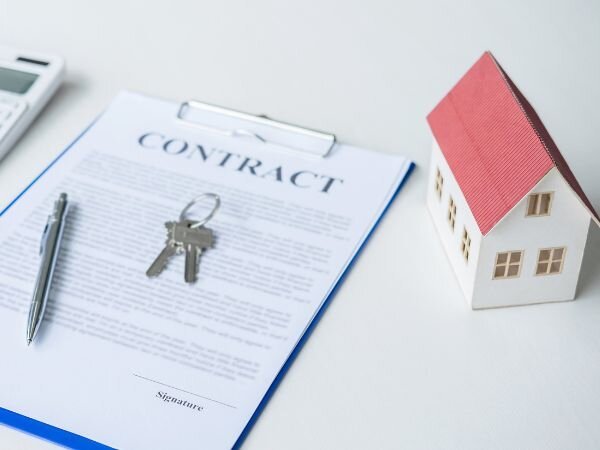
Buyers and sellers need a suitable rental agreement to ensure a smooth transaction. This agreement should clarify the seller’s tenancy to avoid complications. Both sides must be honest to determine their needs and expectations. This first meeting will determine how long the seller can stay, how much they must pay, and the terms of their stay. First, the agreement must state how long the seller will stay following the deal. This involves setting a date for the seller to leave, taking into account their moving plans and any issues with their new home. To avoid overstaying or breaking the law, all sides must agree on a termination date. The arrangement should clearly state the seller’s rent and other costs during this time. Being upfront about money matters helps both parties manage expectations and minimize surprises. The arrangement should include facility maintenance and repairs. The paperwork should state who handles utilities and minor repairs. Thus, the property will remain in the agreed-upon state until the seller leaves. Make these jobs clear to protect the buyer’s money and inform the seller of their obligations. It should also be clear who controls what and how insurance works throughout this upheaval. Writing these agreements carefully reduces risks and builds buyer-seller trust. Finally, contact a lawyer to create a legal occupancy agreement to avoid difficulties. A lawyer can help you ensure the contract conditions are legal and meet real estate standards. It safeguards everyone’s rights. Home sellers can feel safe leaving if the agreement is clear and enforceable. A well-written rental agreement simplifies the contract and reduces the risk of problems, making the move easier for everyone.
Legal Implications for a Holdover Seller
Moving into the new property may be difficult if the seller keeps their previous one as a backup. Even with a lease, the seller could face legal difficulties if they don’t leave their home by the stipulated date. People who want to buy products must know about these issues to avoid legal issues. This section discusses the hazards of holding out and practical solutions to prevent contract breaches.
Understanding Potential Risks
As a holdover seller, you have legal and property issues. First, sellers who stay on the property too long may violate the occupation agreement. This violates the contract. This infringement could result in significant fines and hinder future negotiations. In fast-paced Tacoma, Washington, the real estate market penalizes latecomers. This hurts customers and vendors. If the seller doesn’t leave on time, the buyer may proceed. This may cause trust concerns and legal action. If you don’t depart on time, you may be evicted. Since they couldn’t stay longer, the house’s former owners are now renters. This modification might kick out an illegal tenant, hindering future real estate deals and ruining a record forever. Sellers should know that tenant law changes when they close on a house. This means they must follow existing plans. Living in a home for a long period may cause legal challenges and problems with buyers who need to move in promptly. These conflicts can lead to unpleasant or painful interactions, making it tougher to work together. When sellers arrange their transfer, they should know about these risks and prepare for delays. They can evict tenants without going to court. Knowing about these potential issues makes planning ahead and keeping your promise vital. Keep cool and polite during a stressful shift with this.
Steps to Avoid Breach of Contract
Plan and explain so that everything goes smoothly after closing and you don’t break any real estate contracts. Read contracts carefully before selling a home in Spokane or anywhere in Washington to avoid holdouts. You need a detailed timeline that matches the contract to do this. Before selling, sellers should consult a lawyer to confirm all employment transaction details. They will know all stay-related laws. Talking to lawyers often will assist you in grasping the seller’s rights and duties, preventing contract breaches. Choosing a departure date is crucial. People selling properties should schedule extra time in case something goes wrong. This will prepare them for departure. If their future house isn’t ready right away, they’ll be less worried if they have backup plans, like living somewhere or having flexible storage. Inform the buyer of potential issues and delays. Being honest about goals and working together to tackle problems before they become issues can help both sides avoid misunderstandings and establish trust. Buyers should also keep all plans and communications. Keep in touch with the seller to ensure the purchase is completed. This protects them if they disagree. This indicates that the merchant takes legal and relationship obligations seriously. Sellers should also perform their commitments as soon as possible to maintain the rental agreement legally. This includes household chores and bill payment. By communicating well, buyers avoid contract breaches and ensure a smooth and respectful move out of their sold houses.
Preparing for a Smooth Transition of Property
Planning and preparation are essential for a seamless move in Tacoma, Washington. Real estate buyers usually stay after closing, so knowing how to leave the property properly is vital. This section discusses the most important things sellers can do to ensure a successful real estate deal. These tips will help sellers organize their move and comply with the rules for a smooth exit. When sellers plan carefully and avoid common mistakes, the process becomes much easier for everyone involved.
Essential Steps for the Seller

Tacoma, WA sellers who wish to smoothly sell a closed property must establish a legal and strategic plan. Start with an accurate, adaptive chronology. If your move is delayed, you may want to stay or store your belongings. Moving after the closing is easier with these setups. Real estate buyers discuss occupancy after closing. This shows how important transparency and readiness are. Merchants can avoid contractual violations by acknowledging this purpose. Sellers must prepare by reviewing their contractual obligations. You must also understand the terms of any post-closing agreements. This ensures everyone understands payments, due dates, and property maintenance. Maintaining the property and paying the bills demonstrates respect and reduces conflict. Sellers must keep their end of the deal to avoid legal issues. A real estate lawyer can explain your rights and ensure you follow Washington State laws. Clear communication with customers is also crucial to a seamless transition. Regularly discussing relocation plans, delays, and special needs builds trust and openness. Sellers can get purchasers to cooperate by discussing reasonable timeframes and potential obstacles. Keep track of your experiences to demonstrate responsibility, readiness, and self-defense. Before leaving, sellers should pay off any debts, such as electricity bills or home repairs. In addition to meeting contractual commitments, wrapping up loose ends will help you leave smoothly. Finally, Tacoma, Washington house sellers who follow these essential steps should liquidate smoothly and professionally. Planning, knowing the rules, and communicating will help you prevent transfer issues. This simplifies buying and selling. Keep these principles in mind when planning your relocation to avoid blunders and have a more planned and stress-free post-close period.
Following your Tacoma post-closing timeline will make relocation easier for everyone. The sales agreement must specify who can dwell in the property. You can move and satisfy the consumer this way. If you know what to do, moving out will go easily, and everyone will be satisfied. Communication and clarity will help you cope with this shift, whether you’re discussing lease-back terms or interim housing and storage. You can now confidently plan your next movements and ensure everyone has fun.
How long can a seller stay in their Tacoma home after closing?
Tacoma, WA sellers can choose their post-close occupation period. This agreement specifies the length of stay and financial obligations like rent and utilities.
What is the difference between the closing date and the possession date?
The buyer can move in after possession, but the closing date is when they purchase the house. Discuss these dates individually to allow the seller more time to move.
What is an occupancy agreement?
The seller’s “occupation agreement” specifies what they can and cannot do in their home after the sale. It specifies the length of stay, the cost of hiring someone, and who will clean the residence.
What risks do sellers face if they stay beyond the agreed period?
If sellers stay longer than promised, they may breach the contract. This could lead to a contentious buyer-seller relationship, fines, and eviction. Keeping deals clear and current is key.
How should a seller prepare for moving out after closing?
To ensure a seamless move, owners should plan a moving date, acquire temporary housing if needed, stay in touch with the buyer, and follow rental agreements.
Helpful Tacoma, WA Blog Articles
- Navigating The Sale Of Your Tacoma Home With An Ongoing Insurance Claim
- Do hoa fees increase in Tacoma, WA?
- Best Property Managers in Tacoma, WA
- Can the Executor of Will Sell Property in Tacoma, WA?
- How Long Can Seller Stay in House After Closing in Tacoma WA?
- Selling a House in a Trust After Death in Tacoma WA
- Can I Sell My House If I Have Equity Release in Tacoma, WA?
- How To Sell An Apartment In Tacoma, WA