
Picture this: you’re walking through your house, mentally calculating all the fixes you need before listing. Fresh paint, maybe new carpet, and some landscaping. Then you glance up and realize your roof looks tired. Really tired.
I’ve bought hundreds of houses over the years, and I can tell you this: the roof question trips up more sellers than almost any other issue. Some folks spend $30,000 on a new roof only to break even. Others skip it entirely and watch buyers walk away during negotiations.
The truth? It’s not always about the money you’ll recoup. Sometimes it’s about the money you’ll lose if you don’t replace it.
The Core Decision: Replace, Repair, or Sell As-Is
Roof replacements can cost anywhere from $30,000 to $50,000, depending on materials. That’s a serious investment. A new asphalt shingle roof adds about $21,500 to resale value on a job averaging $31,871, which works out to roughly 68% of the cost.
Those numbers alone don’t tell the whole story, though. Buyers are more likely to pay the asking price (or above it) on a well-maintained home with a new roof. That’s real negotiating leverage. A deteriorating roof, on the other hand, can kill deals faster than almost anything else, triggering lender red flags, failing insurance inspections, and handing buyers ammunition for large price reductions. Selling without touching it is still on the table, and we put numbers on how much you lose selling a house as-is in Washington.
The decision comes down to three factors: your roof’s current condition, your local market, and your timeline.
Signs Your Roof Needs Attention Before Listing
Age is your first indicator. The average lifespan of asphalt shingles ranges from 15 to 30 years, depending on type:
- 3-tab shingles: 15–20 years
- Architectural (dimensional) shingles: 20–30 years
- Premium/luxury shingles: up to 50 years with proper maintenance
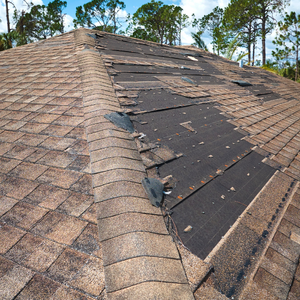
Age alone isn’t definitive; installation quality, ventilation, and storm exposure all matter. But once 3-tab shingles pass the 20-year mark, insurers and lenders start paying close attention.
Visual clues are your early warning system. Missing shingles, granules accumulating in your gutters, curling or cracking edges, and dark streaks or moss growth all signal trouble. Moss and algae aren’t just cosmetic problems; they indicate moisture retention and active material deterioration.
Water stains on interior ceilings are a red flag. Even a small, slow leak points to larger issues beneath the surface.
Storm history matters too. High-quality architectural shingles resist winds up to 130 mph with minimal damage. Poorly installed 3-tab shingles can fail at just 60 mph, according to testing by the Insurance Institute for Business & Home Safety (IBHS).
Not sure whether your roof situation is worth tackling before you list? At Kind House Buyers we work with sellers at every stage of the decision, whether you’re replacing, repairing, or considering a straight sale as-is.
How a Professional Inspection Changes Your Position
Most general home inspectors assess roof condition as part of a broader inspection, but they often miss details that only a roofing specialist would catch. Getting your own inspection before listing puts you in control.
Here’s why it matters strategically: buyers will inspect your roof anyway. Lenders and insurance companies frequently require roof inspections when a roof shows age or suspected damage. Better to control that narrative from the start than to be blindsided during a buyer’s due diligence period. An appraiser can force the issue too, which is why active leaks sit on our list of Washington state appraisal required repairs.
A professional inspection gives you three advantages:
- You know exactly what you’re dealing with before negotiations begin.
- You can address issues on your timeline, not the buyer’s.
- You have documentation to support your asking price.
If your roof is aging but structurally sound, a roofing contractor can often certify it for an additional three to five years. That certification becomes powerful ammunition in negotiations, replacing a buyer’s demand for a $15,000 credit with professional documentation showing years of life remaining.
How Roof Condition Affects Your Sale Price
Poor roof condition tends to cost sellers in one of three ways:
Direct price reductions. If roof damage surfaces during inspection, buyers routinely request credits of $5,000–$15,000 off the purchase price. A new roof eliminates this negotiation entirely.
Financing complications. Government-backed loans like FHA and VA are popular with first-time buyers and carry strict inspection requirements. A roof that fails those requirements means no loan approval and a derailed sale. This is especially important if your home’s price point targets first-time or moderate-income buyers who may not have cash reserves to take on an immediate roof replacement.
Lost buyers. In a buyer’s market, a tired roof doesn’t just lower your price; it narrows your pool. Buyers with options will simply move on.
A new roof, by contrast, passes inspections cleanly, satisfies lenders, and removes the single most common source of post-inspection renegotiation.
Repair vs. Replacement: Running the Numbers
Not every roof problem requires a full replacement. When the damage is isolated and the underlying structure is solid, targeted repairs can be a smarter move.
2025 national average costs (Journal of Light Construction Cost vs. Value Report):
| Option | Cost | Resale Recoup | ROI |
|---|---|---|---|
| Asphalt shingle replacement | $31,871 | $21,501 | ~68% |
| Metal roof replacement | $51,865 | $25,972 | ~50% |
If you can address visible issues for $2,000–$5,000 and obtain a roof certification, you may avoid the full replacement cost while still satisfying buyers and lenders.
The hidden value of a full replacement is speed. Homes with new roofs tend to sell faster because they pass inspection cleanly and don’t trigger lender red flags. In competitive markets, that speed can be worth thousands in reduced carrying costs and avoided price cuts.
One timing note: from getting bids to completing installation, a roof replacement typically takes several weeks to a few months. Factor this into your listing timeline before committing.
Choosing the Right Materials
When replacing your roof before selling, the materials you choose can significantly impact curb appeal, buyer confidence, energy efficiency, and overall resale value. Selecting the right roofing system is not just about durability. It is also about choosing an option that aligns with your market, budget, and buyer expectations.
Asphalt shingles
Dominate the residential market for good reason: durable, affordable, and available in a wide range of colors. For resale purposes, architectural (dimensional) shingles hit the sweet spot. Their multi-layer construction offers better durability and curb appeal than basic 3-tab shingles without the cost premium of luxury options.
Metal roofing
Costs significantly more upfront but delivers outsized benefits in longevity, energy efficiency, and buyer perception in certain markets. If your neighborhood and price range support it, a metal roof can be a meaningful differentiator.
Brand recognition matters
GAF and CertainTeed are the two most recognized names among buyers and appraisers. A transferable warranty from either brand, GAF’s Golden Pledge Warranty, for example, covers up to 50 years of materials and 25 years of workmanship, adding measurable credibility to your listing and reassurance to buyers.
Energy efficiency
It’s increasingly a selling point. Cool roof systems reflect more sunlight and can reduce cooling costs by 10–15% in hot climates. Solar-ready roofing appeals to forward-thinking buyers even before panels are installed. These aren’t just marketing points; they translate to lower utility bills, which buyers can calculate and value.
Regional and Climate Considerations

Where you live affects both roof lifespan and buyer expectations. The U.S. Department of Energy reports that prolonged UV radiation degrades roofing materials faster, particularly on south-facing slopes. Roofs in hot climates like Texas, Arizona, and Florida can lose 20–30% of their expected lifespan from heat and solar exposure alone.
As a general benchmark, asphalt shingles in northern and northeastern climates typically last 19–20+ years, while those in southern and southwestern climates average closer to 14 years.
Storm patterns also shape buyer expectations. In hurricane- and hail-prone regions, impact-resistant (Class 4-rated) shingles are often specifically sought out. Insurance companies adjust their requirements based on regional risk. What passes in Minnesota might not pass in Miami.
Seasonal timing affects cost and availability. Spring and summer are peak roofing seasons, meaning higher prices and longer wait times. A fall replacement can save money and ensure completion before winter. Waiting out a Puget Sound winter carries its own cost, which is why some sellers would rather sell their Puyallup house fast than book a roof crew for spring.
Financing a Roof Replacement
Cash isn’t your only option. Common financing routes include:
- Home equity lines of credit (HELOCs): Flexible, potentially tax-deductible interest, and you’re leveraging equity to improve value.
- Personal loans: Faster approval than secured loans, but typically higher interest rates.
- Contractor financing: Convenient, but read the fine print; promotional rates often expire into high-interest terms.
If you’re listing within 60 days, short-term financing may make sense. If your timeline is longer, explore more cost-effective structures. Some sellers factor the monthly financing payment into their pricing strategy, particularly in markets where buyers strongly prefer move-in-ready homes.
Selecting a Contractor
The wrong contractor can turn a smart investment into a liability. Manufacturer warranties cover defective materials; they don’t cover installation errors. Improper flashing, incorrect nailing patterns, or poor ventilation setup can dramatically shorten roof lifespan even with premium materials.
A workmanship warranty from a reputable contractor covers those installation errors. Its value is only as good as the contractor standing behind it.
Practical steps:
- Get at least three detailed estimates from licensed contractors. This gives you a market baseline and identifies outliers.
- Verify licensing and insurance, both of which protect you from liability if something goes wrong.
- Call references from recent jobs. Ask specifically about quality, timeliness, and cleanup.
- Avoid door-to-door contractors, especially after storms. Legitimate contractors are typically booked weeks or months ahead.
- Get everything in writing: timeline, materials, permits, cleanup, and warranty terms.
Timing Your Replacement
The ideal window is 1–3 months before listing. This gives you time to:
- Complete a final walkthrough and address any remaining punch-list items
- Gather warranty documentation and contractor certifications
- Photograph the new roof for listing materials
Build buffer time into your schedule for weather delays (roofing stops during rain, snow, or high winds), material lead times for specialty or popular items, and permit approval, which can take one to two weeks in some municipalities.
Disclosure and Legal Obligations
Once you’re aware of a roof problem, you can’t un-know it. Most states require sellers to disclose known material defects, and roof issues, leaks, structural damage, and end-of-life shingles clearly qualify. Failure to disclose can create legal exposure after closing.
A new roof removes the biggest disclosure headache, though past leaks, repairs and insurance claims still belong on the form. A professional inspection, even without replacement, at a minimum creates a documented record showing you’ve dealt honestly with the roof’s condition.
If you’ve filed insurance claims for roof damage, expect to disclose that as well. Buyers have a right to know, and it affects their insurance options.
Document everything: photos, repair estimates, completed work, and permits. A clear paper trail reassures buyers and their lenders.
Negotiating Roof Issues With Buyers
If roof problems surface during the buyer’s inspection period, you have more options than a straight price cut.
Know your market position first.
If your home attracted multiple offers quickly, you have leverage. If it’s been sitting, the inspection findings become harder to dismiss and will have to be disclosed to the next buyer if this deal falls through. Sellers who would rather not run that gauntlet at all can see how we buy houses in Bonney Lake, WA and the rest of Pierce County.
Consider alternatives to cash credits
Instead of reducing your price by $15,000, you might offer closing cost coverage, a home warranty, or an escrow holdback for post-closing repairs. These can feel less painful than a direct price reduction while achieving a similar result for the buyer.
Focus on major items
Not every inspection finding warrants a negotiation. Establish a reasonable threshold, often $500, and concentrate on significant issues. Nitpicking cosmetic items signals bad faith and can derail an otherwise solid sale.
Alternatives for Sellers Who Can’t Replace the Roof

Full replacement isn’t the only path forward.
Strategic pricing can be more straightforward than repairs. Price $15,000–$20,000 below comparable properties; disclose the roof’s condition transparently; and let buyers factor it into their offer. This approach can actually accelerate sales by removing uncertainty.
Seller credits at closing let you offer buyers repair funds without managing the work yourself. A $20,000 closing credit instead of a $25,000 replacement saves you money while giving buyers flexibility.
Escrow holdbacks allow the sale to close on schedule while repair funds are set aside for the buyer to access after taking ownership.
Cash buyers and direct purchasers eliminate repair negotiations entirely. Working with cash home buyers in Washington means you can close quickly with no repair obligations, a worthwhile trade-off for some sellers, particularly those with time constraints or limited capital. If you’re in the Puget Sound area, companies like We Buy Houses in Tacoma, WA, can make an offer regardless of roof condition, with no contractor needed and no inspection contingencies.
Frequently Asked Questions
Is it worth replacing the roof before selling?
It depends on your roof’s condition, your market, and your timeline. You can expect to recoup roughly 68% of asphalt shingle replacement costs at resale. The stronger argument for replacement is often what you avoid: price cuts, failed inspections, and lost buyers, particularly if your target buyers rely on FHA or VA financing.
What is the 25% rule for roofing?
If more than 25% of your roof needs repair or replacement, a full replacement is typically more cost-effective than patching. Partial replacement jobs often carry higher per-square-foot costs, making a complete project the better value.
What should you not fix before selling?
Focus repair dollars on major systems and safety issues, not cosmetic details. Avoid over-improving for your neighborhood’s price range; you’re unlikely to recoup the cost of premium upgrades in a mid-range market.
What decreases property value the most?
Major structural and system issues: roof problems, foundation cracks, outdated electrical, and serious plumbing failures. These affect both buyer confidence and loan approval. Cosmetic flaws, by comparison, have a much smaller impact.
The roof decision isn’t just a number on a spreadsheet. It’s about positioning your home correctly for your specific market, your timeline, and your financial situation. The right answer looks different for a seller in Phoenix with a 15-year-old roof than it does for one in Minneapolis with a 22-year-old roof that’s still certifiable.
If your roof needs attention and you would rather not take it on before you list, we buy houses in any condition, roof included, with no repairs, no contractor bids and no inspection contingencies. Contact Kind House Buyers today for a free assessment.
Get a professional inspection. Know what you’re working with. Then decide.