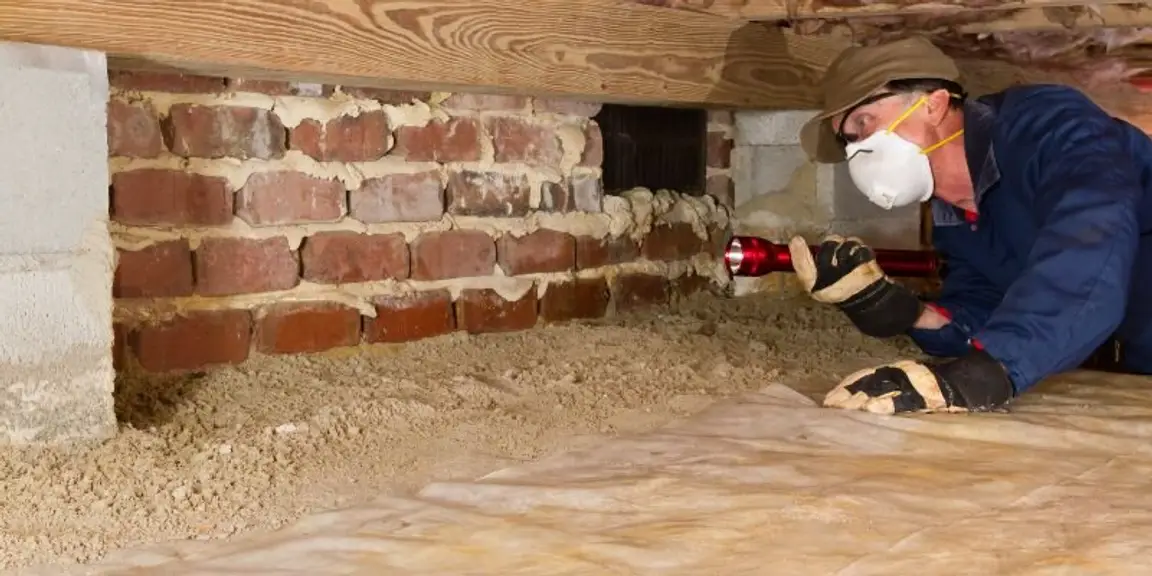

Yes, you can sell a house with termites; it occurs more than many sellers are aware of. The termites themselves typically do not affect the sale. The most important parts are the disclosure, the supporting evidence, and the price you set. The history will come to light, so you need to be honest to get the highest value for your sale. It is much better to have evidence to prove your home was treated than not having any evidence at all. At Kind House Buyers, we put together this guide to help you know what to honestly disclose, how the termite damage will affect what you can sell the home for, and what the potential buyers will do.
Can You Sell a House with Termite Damage or Active Termites?
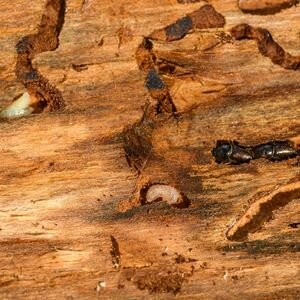
You can sell a termite-damaged house and even sell a house with active termites. Selling to a cash buyer is the easiest option. An impressive perk of cash sales is no lender requirements. Therefore, the seller is not required to treat the termites or have an inspection done to close. Cash buyers take the condition and treatment into account when making their offers. This option is great for sellers who don’t want to pay for the treatment or repairs to the home. If you want to close quickly, termites won’t stop you from closing. Selling for cash is a great option if the seller is not worried about getting the most money for the home.
Selling to a financed buyer is a completely different process and a more difficult route for the seller. A Wood Destroying Insect (WDI) report has become a standard document in most real estate transactions, and mortgage lenders typically require it before approving a loan. Selling to an FHA buyer is worse because they will most likely not approve the loan if there is an active infestation that has not been treated. A conventional loan will most likely not be approved if a home is confirmed to have active wood-destroying insects. All in all, it is a known fact that the buyer’s financing will dictate how much the seller will have to do before the sale.
Do You Have to Disclose Termite History When Selling Your House?
Yes, in most jurisdictions, when you sell your home, you must legally give a written disclosure of known pest infestations, like termite damage. Usually, this is a pest/s structural damage question in your state’s seller disclosure statement. You can’t trick the system on this. Failing to disclose known termite damage is a lawsuit for misrepresentation, and the home sale can be post-sale nullified. During the sale, buyers’ lawyers routinely discover pest control documents, and if you don’t write anything, you still misrepresented your home. Once pest control documents are released, your failure to write anything is a misrepresentation.
Some sellers think that selling the home “as-is” means they can conceal known issues. No. Selling it “as-is” means that you are still responsible for disclosing known problems, while not necessarily being obligated to make repairs. You are still legally responsible for disclosing known pest issues, including prior termite treatments, existing damage, and warranties. If you need a termite bond before selling a house, check with a local pest-control company to determine whether an inspection, treatment, or transferable bond is required or recommended before closing. A termite bond may also give buyers additional peace of mind when the property has a history of termite activity. You can still face legal consequences for misrepresentation after the sale if you fail to disclose a known issue. If you are unfamiliar with the laws in your area, a real estate attorney can explain the applicable disclosure requirements before you sell.
Termite Disclosure Requirements: What Sellers Must Reveal
Disclosure requirements can be opaque during a sale, but the best practice is to understand what buyers have a legal right to know. Sellers usually have a legal obligation to disclose the following regarding termites:
| What to Disclose | Required? | Why It Matters |
| Active termite infestation | Yes, in nearly all cases | Concealing it can lead to lawsuits after closing |
| Past infestations (treated) | Yes, in most areas | Buyers can void the sale if discovered later |
| Known structural damage | Yes | Affects safety, financing, and appraisal |
| Previous treatment records | Strongly recommended | Builds buyer trust and supports your price |
| Active warranty or termite bond | Recommended | A transferable bond is a selling point, not a liability |
| Suspected but unconfirmed activity | Depends on the disclosure form | When in doubt, disclose to protect yourself |
Whenever something is ambiguous, the best practice is to be open about it. Presenting a documented history of termites with evidence of treatment does not usually kill the deal. However, discovering treatment of the termites after the sale closes most likely will lead to a legal battle, as the following chapter illustrates.
What Happens If You Don’t Disclose Termite Damage?
Some sellers tend to take the easy way out and just remain silent, thinking that the inspection won’t find the evidence. The consequences of this decision will last way longer than the sale:
- The buyer can sue you for fraud after the sale.
- You can and probably will be required to pay for repairs that were found long after the sale.
- The sale can be reversed, and you will be required to own the house again.
- The costs of the repairs will be much cheaper than what you owe after a fraudulent sale.
- Your real estate agent will also be required to pay for damages, which makes your defense even harder.
- Even a defense of “I didn’t know” will not be accepted if inspection records prove you knew.
The math never favors concealment. Repairing or disclosing termite damage might cost you a few thousand dollars or a small price adjustment, while a post-closing lawsuit can consume your entire proceeds and more. Honest disclosure isn’t just the legal move; it’s the cheaper one. And if you’d rather skip the repairs and the disclosure anxiety altogether, a company that buys homes in Auburn or nearby cities will take the property as-is with the termite history fully on the table.
How Much Does Termite Damage Lower Home Value?

Termite damage typically leads to around a 20% hit to property value. For a home valued at $300,000, that equates to a $60,000 loss from an inadequate resolution. With proper resolution, documentation, warranty transfer, and appropriate cost, that loss can be recouped. What surprises sellers most is that homeowners’ insurance will most likely do nothing because most policies do not cover termite damage. Since insurance will do nothing, time and cost taken to resolve the damage will directly affect your pocket.
The cost of repair is not usually as high as the seller’s wait. The average cost of repairing termite damage is about $3,000. That cost will be higher if damage is to structural members, beams and floor joists, and the foundation. Soil treatments can provide up to 8 years of protection, and cost between $3 and $16 per linear foot. This is an example of a concrete repair cost that is preferable to the vague promises of protection that are often given. The damage to the home value will vary by region as well. In warm climates with year-long infestations and damage, it is expected and valued less, and more severe in the colder markets with fewer infestations.
What Will a Termite Inspector Look for Before You Sell?
A pest inspector will systematically survey your home’s exterior and interior pest inspection points. They’ll be surveying your home for signs of insect activity or pest infestation, such as mud tubes, drywood termite frass, and damage to your home’s structural foundation. They will also be inspecting your home for signs of pest damage to wood, such as wood that sounds hollow. They want to know if moisture damage makes your home vulnerable to infestation. They look for signs of wood damage that may not be noticeable or may be concealed in wood that comes into contact with soil. It’s easy for sellers to overlook things an inspector will find. It’s common for an inspector to find signs of pest damage that sellers aren’t even aware of in less than an hour.
Moisture is always a huge consideration for a potential home buyer, and inspectors pay the most attention to it. Termite infestations are likely in moisture-damaged wood. Inspectors survey areas where water insects may be living, like your home’s plumbing system. An inspector is doing you a favor by bringing attention to moisture damage to your home’s foundation before it can be pointed out by a potential buyer’s inspector. On the bright side, a clean pest report ensures your pest control system is documented and up to date. This is great proof to a potential buyer and their lender that your home is pest-free and ensures peace of mind for the home closing.
Termite Treatment Options and Warranties That Buyers Trust
A pest inspector will systematically survey your home’s exterior and interior pest inspection points. They’ll be surveying your home for signs of insect activity or pest infestation, such as mud tubes, drywood termite frass, and damage to your home’s structural foundation. They will also be inspecting your home for signs of pest damage to wood, such as wood that sounds hollow. They want to know if moisture damage makes your home vulnerable to infestation. They look for signs of wood damage that may not be noticeable or may be concealed in wood that comes into contact with soil. It’s easy for sellers to overlook things an inspector will find. It’s common for an inspector to find signs of pest damage that sellers aren’t even aware of in less than an hour.
Moisture is always a huge consideration for a potential home buyer, and inspectors pay the most attention to it. Termite infestations are likely in moisture-damaged wood. Inspectors survey areas where water insects may be living, like your home’s plumbing system. An inspector is doing you a favor by bringing attention to moisture damage to your home’s foundation before it can be pointed out by a potential buyer’s inspector. On the bright side, a clean pest report ensures your pest control system is documented and up to date. This is great proof to a potential buyer and their lender that your home is pest-free and ensures peace of mind for the home closing.
How to Price and Market a Home with Termite History
In many cases, sellers believe that the treatments and repairs of an issue should restore a property’s market value. Buyers, however, will almost always demand a discount for the property due to the history of having a problem. This value discrepancy relies heavily on the application of an appropriate pricing strategy. This means that the property should be priced to reflect the history and the specific condition the property is in. It is important to document the treatment history and provide therapeutic clearance in order to make the property’s historical issues transparent to potential buyers. If a property is priced for a value with a clean history of a significant issue, the property will sit on the market for a considerable amount of time. The history and the time on the market will negatively affect the property’s value.
Providing an honest description of a property’s history is always better than having the buyer discover a treatable issue on their own. The longer a property sits on the market, the more potential buyers will be discouraged and distrust the seller due to the property’s history. A good realtor can help you understand the appropriate treatment history value for the property. This value should be emphasized when priced, as it is often less than average.
Should Sellers Be Afraid of a Home with Termite History?
No, there is far less for a seller to fear. In fact, a documented history of treatment and inspections for termites is far less of a liability to a sale than the tension surrounding it would suggest. Homes that have been treated, cleared, and insured with an active warranty have undergone more inspections than most homes for sale, and thus can be advertised as cleared and treated (and inspected) rather than hidden like a liability. Subterranean termites, which can be found across the country, account for nearly 90% of the termite damage in the U.S. For buyers in high-risk areas, some history of termite damage is to be expected, and they will not be inclined to walk away from your home.
The history itself, as treated, is less important to a buyer than the gaps that are left in the history. Deals stop progressing when there are active infestations, untreated damage to support or load-bearing members, along with untreated damage to the framing of the floor and foundation, and missing documentation to support the repair and treatment that is left to the buyer’s imagination. Removal of past infestations and treatment is not a liability, and support your case and make it as easy as possible to validate and verify. Since most homes’ insurance policies do not cover damage from termites, an active and transferable warranty from a licensed pest control company is the best support you can offer, as it turns the buyer’s most valid concern into your best support to close the deal.
Find Out What Your Home Is Worth with Termite History
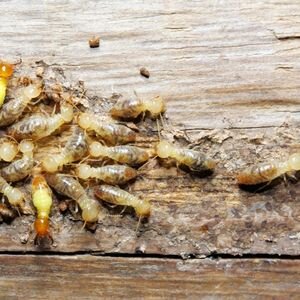
Home sellers listing homes without home valuations will either receive lower than expected offers, resulting in a price cut, or pay carrying costs on unsold homes. Making home value decisions requires reports on local comparable home sales with pest disclosures, instead of drawn-out home comparisons with pest-free homes. Home sellers are generally pessimistic about value, but a good local real estate agent or direct home buyer with local knowledge will provide a value that is a pleasant surprise.
Fear is generally worse than the problem that’s being worried about. Most seller anxiety is about the unknown, but damage is usually limited to a few construction elements, or worse, the seller discovers pest control contracts that transfer with the home and were unknown. Once the damage is assessed, and costs to treat the home are known, the options are listed as follows: close in a few weeks on an all-cash offer, or treat the home and list it on the market. Knowing the real costs and damage of the home resolves the fears of termites and enables confident decisions.
Three things matter when selling a home that’s been infested with termites. First, tell buyers everything that you know. Second, collect documentation for all treatments and warranties associated with the home. Third, set the home price according to the home’s condition. Sellers have little trouble closing a sale when they’ve priced the home accordingly, and homeowners who hide infested homes at a discount price have negative repercussions that can haunt them for years. You can choose to treat and sell the home through conventional means to a buyer, or you can choose to sell the home as it is to cash home buyers in Edmonds or nearby cities, but whatever you choose, the first step is truly understanding how bad the infestation has really hurt the home’s value. Be honest and price the home accordingly. Get your documents organized first, and termites will be a minor inconvenience in the sale of the home.
FAQs
How Hard Is It to Sell a House with Termites?
Selling a home with active termites on the conventional market is difficult because many lenders will not approve a loan for a property with a confirmed active infestation. Also, in most standard or FHA transactions, the seller is required to have the infestation treated before the sale closes. However, selling to a cash buyer avoids this barrier. With a documented and treated past infestation, you can still sell on the conventional market, provided you have the right price and the supporting documentation.
How Many Termites Are Considered an Infestation?
There is no consistent formal threshold that officially identifies an infestation. Pest control experts reach that conclusion by assessing signs of colony activity, rather than counting individual pests. An established colony leaves behind evidence such as mud tubes, frass, damage to wood, and remnants of live swarmers. Numerous visible termites could correspond to hundreds of thousands of covert workers inside the structure, which is why inspectors are more concerned with evidence of infestation than the actual number of pests.
Do Realtors Have to Disclose Termites?
A real estate agent is also responsible for disclosure if they know of a termite situation. A seller who does not disclose a termite situation can be responsible in a civil suit, and the presence or absence of a real estate agent does not alter a seller’s obligation to disclose. Both the seller and the agent can be held culpable for concealing known pest situations. If your agent knows and keeps quiet, they are risking their real estate license as well.
Are Termites a Deal Breaker When Buying a House?
Not always. Cash or flexible finance buyers can buy a house with a termite history and successfully close the deal. FHA loan buyers generally require the clearance of an active invasion prior to the loan’s approval. A recorded history of treatment with a transferable warranty virtually never eliminates a deal with an educated buyer. The termination of a deal primarily stems from the absence of information, damage that lacks explanation, and a seller who appears to be evasive.
Ready to sell your house, termites and all? You don’t have to pay for treatment, repairs, or fumigation before you sell. Kind House Buyers is here to help. We buy houses as-is, including homes with active termites or past damage, offer fair cash offers that account for the condition upfront, handle all the details, including disclosures at closing, and make the process seamless. Ready to sell or have questions? Contact us at (253) 216-2497 for a no-obligation offer. Get started today!