It may seem difficult to sell a condemned house in Washington, but with the right knowledge, it is possible to sell even the most difficult of properties. If your property entangles you legally due to structural problems, compliance violations, or other issues, there are ways to approach selling it. This guide offers useful strategies and tips to consider the legal entanglements and limitations when selling a property that has been legally condemned. Learn to sell a house that you, at first, may consider impossible to sell, to a buyer who will consider it an opportunity.
Key Highlights
- Condemned houses in Washington are the result of severe code violations, making them unfit for occupancy without major repairs.
- Legal complexities in Washington require sellers to fully understand state laws and mandatory disclosure obligations.
- Renovating condemned properties involves addressing safety and structural issues to lift liquidation designations.
- Selling as-is attracts buyers seeking investment opportunities, bypassing renovation costs and delays.
- Cash buyers offer quick sales, handle complexities, and ensure compliance with Washington’s legal requirements.
Understanding What Makes a House Condemned in Washington
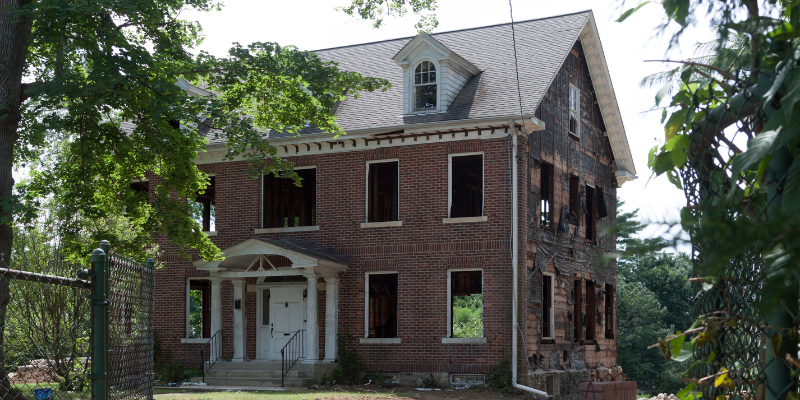
Homeowners in Washington have to learn the ins and outs of a predetermined home in order to make informed decisions about whether to sell. A house is put into a predetermined status by the local authorities and/or the building inspector. This is because the house is unfit for human occupancy. This status results from violations of the codes. Examples of such violations include unsafe structures, incomplete or jarring utilities, fire hazards on the premises, or a house that is unsafe to be in due to prolonged owner neglect. Notification of a house for condemnation is a legally formal process. Once a house is in a condemned state, it is legally restricted from being occupied, must undergo repairs, or could be slated for demolition.
Homeowners can benefit from understanding the legal definition of “condemned” and which types of code violations lead to that status. A homeowner’s knowledge of local government, inspection procedures, and enforcement helps them better understand their situation, whether that is making repairs, appealing to the local government, or selling the house in its condemned state. It also helps them see what a complicated and scary process it really is. Knowing this better guides owners when selling a home to one that is condemned.
Kind House Buyers offers Washington homeowners a simple, stress-free solution for selling condemned properties. We buy houses as-is, handle the legal and inspection complexities, and eliminate the need for repairs, cleanups, or delays—allowing you to move forward quickly with a fair, straightforward offer.
Legal Definitions of a Condemned House
In Washington, understanding the legal definition of a condemned house is essential for homeowners facing this situation. A condemned property is one that local health or building departments have deemed unlivable due to serious code violations. These homes are labeled hazardous or unsafe for occupancy and, in some cases, may be subject to government action. While condemnation does not mean a house cannot be sold, there are specific rules about who can purchase it, and strict compliance with local regulations is required.
Condemnation of properties is most often due to code violations. Common issues include severe mold, unstable structures, defective electrical and plumbing systems, and other factors that could render a home unsafe. Public health a safety concerns of homes in these conditions. With knowledge of the types of violations, owners can remedy issues and possibly avert these designations.
The legal consequences of condemnation are significant. Restrictions may include limited utility access and occupancy bans until repairs are completed. In some cases, eminent domain may be considered, though it does not automatically prevent a sale. Because rules for condemned properties are shaped by both state and local authorities, staying informed helps homeowners make better decisions when navigating repair obligations or sale options.
To avoid the legal complications and potential property condemnation, homeowners should consider these proactive steps:
- Regularly inspect the property for structural issues and address any damage promptly to prevent deterioration.
- Ensure property complies with local building codes and zoning laws through periodic reviews and necessary updates.
- Maintain roofing, plumbing, and electrical systems with routine professional evaluations to ensure safe and efficient operation.
- Keep outdoor areas, such as gardens and walkways, clean and well-maintained to uphold the property’s overall appeal.
- Secure adequate insurance coverage to address potential natural disasters, accidents, or unforeseen property damage.
Implementing these measures can help safeguard your property’s livability and value.
Common Violations Leading to Condemnation

In Washington, housing properties are classified as derelict when they are unoccupied due to violations of state safety housing code laws. These issues may arise in a house due to negligence, cumulative maintenance oversights, or unaddressed damages. By acknowledging the common reasons a house falls into dereliction, homeowners can preempt issues that, if left unaddressed, can lead to much more serious consequences.
Compromised structural integrity is the leading cause of a home being condemned. This can take the form of foundational cracks, the collapse or loosening of roofs or walls, or the failure of the structure’s load-bearing walls. Other major concerns identified by the housing authorities include serious plumbing and electrical failures. The presence of leaks that cause water damage and a fire that damages the electrical system are just two issues that can lead to uncontained mold and fire, prompting the housing authorities to inspect the home.
Local governments must enforce building and safety codes to protect the public’s health and welfare. If municipalities identify violations, they may order the affected entity to make repairs and/or modifications by a certain deadline, after which the entity may face condemnation. Homeowners who are proactive by performing maintenance, resolving issues promptly, and interacting with local code enforcement may avoid property condemnation and maintain the safety and value of their property.
Navigating the Legal Landscape of Selling a Condemned House
To sell a condemned house in Washington, a prospective seller must understand the regulations governing such houses. Homeowners must understand the state and local code violations and pertinent safety regulations that led to the house’s condemnation. Such sellers in Washington still face the risk of disclosure and must disclose, to the best of their knowledge, any and all issues with the house, including that the house was condemned. Not doing so poses legal risks and could delay the sale.
These laws help and guide Washington state homeowners when selling their condemned house. Homeowners can understand the entire selling process. Homeowners can sell the condemned house with less risk of future problems and in compliance with Washington state laws. Knowledge of the laws and regulations keeps the process as simple as possible.
Have questions or want to explore your options? Contact us today to receive a straightforward offer on your condemned property. We’ll walk you through the process, handle the legal considerations, and help you move forward with confidence.
Understanding Washington State Laws on Condemned Houses
To sell a condemned house in Washington, sellers need to understand state and local laws governing such properties. Laws in Washington are created to protect buyers and sellers; therefore, homeowners need to understand the laws that protect people when selling a condemned property. Knowing the laws helps sellers improve their processes and avoid legal issues.
The law is also very important when selling condemned homes. Washington housing/building law is all about selling condemned and true as-is houses. Generally, the local jurisdiction will need to enforce the order on all violations, and that doesn’t mean the house is orderable or that the buyer can just pay for the order. Buyers need to be informed about the house’s condition and the law governing the sale of a condemned house.
Additionally, there might be local stipulations such as details on restoration requirements, inspections, or approvals. Buyers are kept within reasonable expectations through local building departments as they obtain records, ensuring they follow local policies. Streamlined negotiations can be achieved by understanding state and local regulations, thereby leading to a more compliant sale.
Disclosure Requirements and Obligations

When selling a condemned house in Washington, sellers must comply with state disclosure laws, which are part of the transaction. The house, which is condemned, along with the specific details of why the house is condemned, must be brought to the attention of the buyers. These details are intended to ensure buyers do not purchase a house with potential legal complications or safety issues.
Washington’s disclosure regulations require you to provide detailed, honest explanations of the home’s condition. This includes any home code violations, safety issues, and large-scale problems such as structural damage, electrical system failures, plumbing issues, or environmental issues. Proper disclosure protects sellers from being sued while giving the buyers insight into the problems and the estimated repairs that could be needed. Even with as-is sales, the law requires sellers to be fully transparent.
Legal action or reversal of the sale may be possible outcomes if disclosure obligations are not met. To mitigate these risks, a seller needs to liaise with local government staff to clarify policies and document compliance. Addressing disclosure initiatives will yield a positive legal outcome, reduce seller delays, strengthen buyer confidence, and smooth the path to closing. All this will keep the seller in compliance with Washington State.
Preparing Your Condemned House for Sale
It can be an arduous task to sell a condemned house. In Washington state, local and state laws can make this process even more daunting. Due to zoning laws, safety codes, and disclosure laws, a homeowner must first learn why a property was condemned and how subsequent issues affect its marketability. When selling the house, this must be done with a plan and the proper expectations set towards the issues at hand.
When selling a condemned property, tough decisions have to be made. One of the very first decisions is whether to make repairs and sell the house at its new valuation, or to sell it ‘as is’ at the current valuation and pass it to the next homeowner. Ultimately, it is up to the individual to make the necessary repairs to the house to turn it into a home and increase its value. Washington laws will always govern and remain constant, but the actions of the individual will determine the speed and simplicity of the process.
Renovations and Corrections Before Selling
Preparing a condemned house for sale begins with evaluating the scope of repairs needed to make it marketable. Renovating a condemned property goes beyond cosmetic updates and focuses on correcting the safety and structural issues that led to the condemnation. In Washington, local authorities often require specific code violations to be corrected before a sale can proceed. This may involve major repairs such as foundation stabilization, roof repairs, and updates to electrical and plumbing systems to meet safety standards. In some cases, homeowners may also consider selling directly to a company that buys homes in Spokane and other cities in Washington to avoid extensive renovation requirements.
A thorough examination is needed before beginning any work to identify all critical concern areas. Homeowners should prioritize repairs that address safety hazards and structural issues. Such types of repairs are the main reason a property is condemned. Home repairs involving mold and water damage should also be done. These pose health risks to home occupants and may deter potential buyers. Contractors who understand Washington state construction codes should be used to determine which repairs must be done and which improvements provide the best return.
It’s necessary to measure potential renovation costs against the prospective increase in sale price from a financial standpoint. If there are grants or assistance programs available from local or governmental sources for buildings of historical or community significance, it would be worth your while to pursue them. Such programs could help meet the requirements while enhancing the property’s marketability.
Homeowners planning renovations should focus on local guidelines to have the condemnation lifted and keep thorough records of all work performed. Being honest with potential buyers fosters trust, fulfills the legal disclosure requirement, and is good risk management. Closely following Washington’s regulations, along with the proper planning, is the best way to enable a robust and relaxed sale of what was a condemned property.
Deciding to Sell As-Is
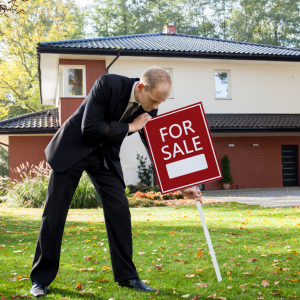
Many homeowners face the dilemma of being overly concerned about renovation costs, leading them to make a practical, financial decision to sell a condemned house as-is. As-is sales mean the buyer is getting a property without any improvements and with any repairs or redevelopment left to the buyer. This option is popular among investors, developers, and buyers who wish to renovate, flip, or rebuild the house and do not want to occupy it right away.
Homeowners selling condemned houses as-is in Washington must consider the legal obligations of the sale. Sellers must report that the house is condemned and provide all information regarding violations, structural issues, or safety issues. This is the best way to protect state laws, minimize litigation risk, maintain transparency, negotiate in good faith, and align buyer expectations.
Condemned properties are usually marketed to buyers who understand distressed properties and can appreciate the value beyond the immediate condition. If the location is advantageous, the zoning is flexible, the lot has value, and/or there is potential for redevelopment, marketing can be tailored to attract interest in the property, even with the condition. Pricing, buyer connections, and the overall sale process are more efficient when partnering with Washington real estate experts familiar with the condemned property market.
| Aspect | Key Considerations | Benefits |
|---|---|---|
| Selling As-Is | Property is sold without repairs; buyer assumes responsibility for renovations or redevelopment. | Avoids costly repairs and enables a faster, more affordable sale. |
| Legal & Disclosure Requirements | Washington law requires disclosure of condemned status, violations, and known hazards. | Marketing & Sales Strategy |
| Marketing & Sales Strategy | Targets investors or developers; pricing reflects condition and market demand. | Ensures legal compliance, transparency, and reduces the risk of disputes. |
Choosing the Right Buyer for Your Condemned Property
When selling a condemned house in Washington, identifying the right buyer is critical, given the state’s stringent selling regulations and restrictions on the condition of the house. Knowing what options are available to you in a legally and structurally complex marketplace can help you reduce some of the stress of the process. Many sellers realize that going for an ordinary listing can lead to time setbacks due to financing and multiple rounds of inspections.
By far the most efficient and quick way to sell a house is to qualified cash buyers. These buyers are usually investors or buyers of condemned properties, meaning they have the expertise to purchase properties in bulk and will buy the house in its current state. Sellers choose buyers from different categories based on their finances, timelines, and overall vacation plans.
Working with Cash Buyers for a Quick Sale
When selling a condemned house in Washington, working with cash home buyers in Washington is often the most practical solution. These buyers understand the unique challenges of condemned properties, including local regulations and repair requirements, making the process far more straightforward than a traditional sale. By choosing this route, homeowners can avoid many common obstacles and move toward a faster, simpler transaction.
One of the key benefits for cash buyers is the flexibility and speed that they offer. Because no financing approvals or inspections are required (in most cases), sales can close quickly, providing liquidity for homeowners looking to cash out and move on. Investors looking to buy the home to fix it up or tear it down really don’t care what the home looks like or how much it needs. They are much better equipped and staffed to handle large home renovations than many other buyers are.
Furthermore, cash buyers eliminate the prolonged back-and-forth that is usually associated with traditional sales, including agents, lenders, and negotiations. This is especially true when selling a property that needs to be torn down. Cash sales are not dead and almost always provide a streamlined process to keep the seller’s time and expenses to a minimum while still adhering to Washington’s statutes.
Even if some cash offers are below the property’s market price, they are usually based on the property’s future potential rather than its current condition. Most people would want to see a home as an investment, not a distressed asset. By focusing on cash buyers (typically investors interested in the property’s future value), homeowners can generate the desired interest in the home and sell it with greater confidence and less friction.
Selling a condemned house in Washington might seem daunting, but with the right approach, it can be a smooth transaction. Consider reaching out to investors interested in fixer-uppers or exploring local home-buying companies that specialize in purchasing distressed properties. These prospects often purchase homes “as-is,” relieving you of repair responsibilities and expediting the sale process. By understanding your options, you can maximize your property’s value while navigating regulations effectively. Remember, patience and informed decision-making are key to successfully selling your condemned home. Download our comprehensive guide for more insights and support throughout your selling journey.
FAQs:
What is a condemned house in Washington?
In Washington, a condemned house is officially designated by local health or building departments as unlivable due to significant code violations, such as structural weaknesses or safety hazards. These properties are considered hazardous or unsuitable for habitation until necessary repairs are undertaken.
Can you sell a condemned house as-is in Washington?
Yes, you can sell a condemned house as-is in Washington. This means selling the property without making any repairs. Sellers must disclose the property’s condemned status and existing violations to comply with legal requirements. This approach often attracts investors looking for renovation projects.
What legal requirements must be met when selling a condemned house in Washington?
Sellers must comply with Washington state laws requiring full disclosure of the property’s condition, including any code violations and its condemned status. It’s essential to consult with local regulations to ensure compliance and avoid potential legal repercussions.
Who typically buys condemned houses?
Condemned houses are often purchased by cash buyers or investors who specialize in distressed properties. These buyers usually have the resources to undertake necessary repairs or redevelopment, and they seek these properties as investment opportunities.
How can you prepare a condemned house for sale?
Preparing a condemned house for sale involves deciding whether to make necessary renovations or to sell as-is. If renovating, focus on fixing major safety and structural issues to meet legal requirements. Alternatively, selling as-is requires thorough disclosure to potential buyers about the property’s condition and violations.
Looking to sell your house? Whether you want to sell fast, skip expensive repairs, or enjoy a stress-free process, Kind House Buyers has you covered. We provide fair cash offers, handle every detail, and ensure a smooth, simple sale. Have questions or ready to move forward? Call (253) 216-2497 for a no-obligation offer and get started today.
Helpful Washington Blog Articles
- Understanding Hospital Liens On Your Home In Washington
- Guide To Removing Your Name From A Mortgage In Washington Real Estate
- Selling Half Of Your Home In Washington
- Should I Renovate My House Or Sell As Is In Washington
- Documents Required for Selling Inherited Property in Washington
- Cost of Asbestos Removal in Washington
- How Long Should It Take to Sell a House in Washington
- Who Can Put A Lien On A Property In Washington
- Can I Legally Sell My House To My Spouse in Washington
- Can You Sell a House That Failed Inspection in Washington?
- How to Sell a Condemned House in Washington
- Does a Seller Pay Closing Costs in Washington?