
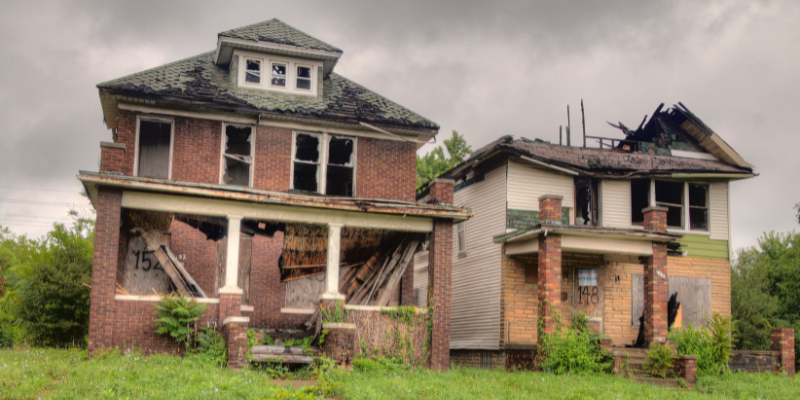
A house in Washington that has been condemned may seem hard to sell, but it can actually be simple with the right approach. This guide breaks down all the processes homeowners go through when selling a condemned house, from local laws to finding the right buyer. How easy it is to sell the property fairly and shorten the sale, and how to best take advantage of the property’s appreciated value, are all questions that will be answered with hands-on techniques designed for the Washington market. This source will transform a challenging scenario into a winning situation.
Key Highlights
- Understanding condemnation factors helps address issues, enhance property value, and make homes viable again.
- Legal challenges in selling require full disclosure and strategic planning with cash buyers for quick sales.
- Preparing essential documents and being transparent is crucial for a successful as-is sale.
- Cash buyers are drawn to condemned properties for profitable ventures, streamlining the sale process.
- Market to investors specializing in distressed properties to ensure a smoother sales process.
Understanding What Makes a House Condemned
There are many variables to consider before navigating the intricacies of a condemned property. What are the reasons a property can be condemned? For example, a negative assessment may be issued due to structural issues, serious health issues affecting the property, or failure to meet building standards. These are issues Washington homeowners must address. Homeowners must recognize these problems first so they can resolve them before property condemnation. Assuming the worst is legal and has financial ramifications, one must learn to recognize these signs.
This section analyses how a house is condemned, also focusing on how code violations drive the process. Housing code violations can create hazardous living conditions for tenants, neighbors, and the community, and can also decrease the property’s value. With a clear picture of how these issues develop and escalate, the homeowner can take the initiative to bring the house back into compliance with local standards. Problems can be resolved in time before a house gets condemned, and to improve living conditions in the house and the community.
Kind House Buyers provides a fast, fair cash offer for condemned or distressed properties, helping homeowners quickly exit unsafe situations and avoid further legal or financial complications.
Key Factors Leading to a Condemned House
There are several reasons a home may be condemned, usually due to health and safety issues. The most common of these are risks to occupant and adjacent buildings/property safety due to collapse. The structure’s stability may have multiple origins, including design and construction errors, natural phenomena, and deterioration. Among many other reasons, a home can become uninhabitable due to health risks, including severe infestations of mold, lead paint, or asbestos. The usability and safety of a structure can be severely compromised by fire damage, which often contributes to a house being condemned.
Properties that are condemned often lack utilities, such as water or electricity, making them uninhabitable and further subject to condemnation under housing law. Some condemned houses have serious sanitation problems, including inadequate waste disposal and/or toxic contamination. These circumstances can have a significant negative impact on value and make it impossible to sell to average traditional buyers, but selling is still an option. Identifying the factors a property has that lead to condemnation helps the owner/stakeholder prioritize the repairs and rehabilitation needed to restore the property to an acceptable condition.
For homeowners facing the reality of a condemned property, knowing these facts is crucial. This not only affects how they handle potential repairs but also determines how they manage or try to sell their property. From the perspective of a homeowner, these factors demonstrate how to avoid further condemnations, comply with new laws, and provide a safer, more reliable place for future occupants. Even if the situation is bad, the right approach can significantly reduce the risk of the property remaining condemned and even make it worse, turning it into a condemned property investment.
Recognizing Code Violations and Their Impact
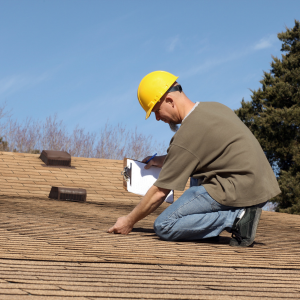
Discussions around condemned houses often cite code violations, which can signal a house is unsafe or on the verge of condemnation. The purpose of building codes is to protect the public from unsafe or unsanitary living situations. When a home is out of compliance with building code standards, the result can be financially and legally detrimental to the owner. Beyond the home’s physical condition, violations can adversely affect marketability and insidiously complicate real estate transactions. Taking corrective measures can mitigate problems from worsening to the point of condemnation.
Common reasons for a property to be condemned include numerous violations, such as plumbing or electrical problems. Examples would be wiring that could cause a fire, broken plumbing, or plumbing that could cause contamination. Violations can also be structural, such as a broken foundation and unsafe stair design, which could lead to serious injury to all those who occupy the property. If a property has a combination of these, the local authorities will require the owner to make the necessary repairs or officially condemn the property. These issues cause the property to be inspected and repairs to be made sooner.
The consequences of these violations affect safety and property values, and complicate sales because of what must be disclosed to buyers. Fortunately, resolving these issues can improve the property’s condition and market status. Homeowners of condemned properties must understand code violations and reach an agreement to preserve the property’s investment value over time and improve the house’s safety for future occupants. Resolving the violations can also improve the resale value.
The Legal Implications of Owning a Condemned Property
Properties that have been condemned in Washington State carry extensive legal ramifications for the owner. For buyers, legal obstacles can be discouraging, so sellers especially should familiarize themselves with the legal ramifications to avoid wasting time and dealing with legal conflicts. Properties that have been condemned usually have serious code violations, unsafe issues, and other determinations that affect how the property can be sold and marketed. Sellers must be particularly aware of the issues that affect how a condemned property can be marketed.
Sellers must know that their homes will be subject to an extensive, precise legal disclosure process, especially if the home has been condemned. This means that, in most cases, sellers are required to disclose almost all aspects of the home, including legal notices, violation decrees, other judgments, and hazards. If the seller is dishonest in these aspects, they can be held liable and forced to rescind their offer. In a way, the seller is protecting themselves from further litigation through legal disclosure.
Can You Legally Sell a Condemned House in Washington?
In Washington, selling a condemned property is legally possible but comes with stricter requirements than a standard home sale. Properties such as hoarder houses or those affected by eminent domain can still be sold, but they typically require careful planning and full awareness of applicable laws. While the condition of the home may limit buyer interest, it does not prevent a sale outright. Homeowners must also be prepared for a more limited pool of potential buyers due to the property’s distressed status.
Full disclosure is a requirement. A seller under Washington state law has to tell a buyer if a property has been condemned, as well as state the reasons for the condemnation. This usually means documentation regarding the structure, safety, and code violations. If this information is not disclosed, there are consequences, underscoring the need to be open and candid. Being forthright about this information with potential buyers shows that there will be fewer post-sale disputes and puts buyers at ease.
Because traditional lenders will not finance condemned homes, sales rely on cash buyers. These buyers can be more experienced with distressed properties, yet usually pay less because the home needs many repairs and poses a significant risk. The benefit is that a buyer and seller can do a transaction more quickly, because there is less to negotiate. After providing full disclosure and complying with the relevant laws, a seller can sell their condemned home as-is. Many sellers are looking for a practical way to relieve their financial burden and find a quick solution to their problems, and this is the way to do it.
If you’re selling a condemned property in Washington, contact us for a fair cash offer. We buy homes as-is, no repairs, no delays, and no financing needed. Even with code violations or serious issues, we offer a fast, simple solution so you can move forward quickly.
Understanding Your Rights and Responsibilities
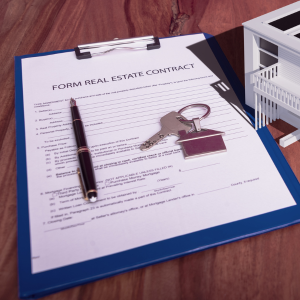
In Washington, there are both interesting opportunities and challenges when it comes to owning condemned property. One unique opportunity is the ability to seek to lift the condemnation order by remedying some of the immediate code violations. This, of course, depends on the type of condemnation and on the decisions of the local governing agencies. This type of rehabilitation helps address some liability issues and supports marketing the property.
If you are considering selling, it is important to understand the extensive legal obligations you will face as the owner. You will be required to make extensive disclosures concerning the structural and systemic (electric, plumbing, heating, etc.) defects in the house. You will also legally need to disclose health and safety issues. In Washington, if you are selling condemned property, you will have to disclose much to prospective buyers.
Part of your duties includes protecting the property until the sale is complete. This includes locking it up so people cannot get in or so it does not get worse, and taking down anything on the property that could cause injuries or lawsuits. Most people do not know, but when you own a condemned house, you need to know the eminent domain laws because you cannot privately sell a house that is designated for public use.
Being legally compliant and maintaining good communication makes it easy to assist a homeowner in resolving the issues they face. With knowledge of Washington’s condemnation laws, a homeowner makes the right choice to resolve issues with the property, and finally gets rid of the burden or even gains an unexpected opportunity.
Effective Strategies to Sell Your Condemned House
Although selling a condemned house in Washington may seem difficult, it is actually quite simple if managed correctly. There are many directions homeowners can take, including selling a house in its current condition (as is) to investors or cash buyers interested in distressed properties. To improve the odds of receiving an offer, homeowners should be as honest as possible about a home’s condition and set realistic expectations by pricing the house at a reasonable price.
The worst part of code violations and legal issues may be the amount of work involved, which is easily remedied with good planning and documentation. Knowing your responsibilities, what documents you need prepared, and the steps to take can significantly shorten the time it takes to complete a sale. Having a distressed property is less of a burden when you have a solid plan in place.
| Sale Strategy | Key Actions | Challenges | Buyer Type |
|---|---|---|---|
| Direct Marketing | Utilize flyers, emails, and local advertisements | Reaching the right audience | Local Investors |
| Auction Sales | Organize public and private auctions | Competitive bidding environment | Investment Firms |
| As-Is Cash Sales | Negotiate direct cash transactions with buyers | Negotiating lower offers | Cash Buyers |
| Partnership Sales | Collaborate with property developers | Sharing profits and responsibilities | Developers |
This table clearly summarizes key strategies for selling distressed properties, outlining actions, challenges, and buyer types. It simplifies complex processes, making it easier to understand the approach needed for successful transactions.
Selling a Condemned Washington House As-Is
Selling a condemned house as-is may be the optimal option if it’s in a state of disrepair beyond a simple fix. In Washington, selling as-is mostly means you have not made any upgrades or improvements to the property; you have marketed it in the same condition it was in. This means you will have to be transparent with potential cash buyers and disclose any and all past code violations, as well as the house’s current condition.
In most cases, cash offers will surpass other offers when selling distressed or condemned houses. Other traditional financing options are out of the question, as banks and mortgage lenders will not fund properties that have extensive repairs. Cash buyers can make this type of purchase, as they are not tied to mortgage financing and can complete the transaction quickly.
If you’re considering selling a condemned house as-is, your main focus should be gathering your documents. You must collect and organize your property records as they pertain to housing inspections, safety reports, and any legal documents that report the property’s previous noncompliance with housing standards. It is important to present the property’s current problems as part of the transaction for the potential investment, so the buyer is fully informed.
Lastly, pricing is a critical component. Since as-is properties are often in disrepair, pricing competitively while acknowledging the cost a buyer will incur for rehabilitation enhances their appeal. It’s critical to balance the urgency of the sale and the overall market dynamics to reach a fair offer. Engage with local cash buyers, such as a company that buys houses in Seattle and other Washington cities, who understand the market for condemned homes, as they can provide relevant price estimates and help facilitate a prompt closing.
Following the discussion on selling a condemned house as-is, consider these essential points:
- Determine potential buyers interested in properties needing significant renovation or demolition.
- Highlight the property’s proximity to developing areas or future infrastructure projects.
- Research local regulations to understand legal obligations and potential buyer restrictions.
- Set a competitive price reflecting the property’s current condition and market demand.
- Emphasize the property’s unique features or location that might appeal to niche buyers.
- Consider offering seller financing to broaden the pool of prospective buyers.
- Use visual aids, such as clear images or videos, to showcase the property’s potential.
Carefully planning these steps can lead to a successful sale of a condemned house as-is.
Navigating the Challenges of Selling an Unsafe Property

Selling a house that is unsafe or condemned in Washington is difficult, but not impossible. One challenge is that sellers must be transparent. Sellers must fully disclose any structural or health issues with the property. While that may seem to drive buyers away, it is necessary to be legal and honest. Being honest in the initial phases of the sale may help the process go faster and smoother without disputes.
The process is also difficult due to the many legal and procedural steps required. Most of these steps involve building codes and other issues that led to the house being condemned. Knowing these steps and following them will not only help avoid legal issues in the future but also help buyers feel more comfortable with the process. So, taking the time to get all of the necessary documents will help in the long run.
Targeted marketing can simplify some of these obstacles. Instead of focusing on Traditional listing techniques, prioritizing marketing to real estate investors or cash buyers experienced with distressed properties tends to be more effective. These buyers typically have the capacity to execute major repairs and buy properties in most undesirable conditions. Marketing to the right audience will drive a quicker, more successful sale.
Not only is the experience more seamless with professionals, but it also ensures you do not run into legal obstacles. Consulting with housing attorneys or foreclosure experts will help you stay out of trouble with Washington state laws, while also assisting in the less-than-ideal property presentation. Great planning with the right team will help sellers see the bright side of presenting a more difficult property. Their expertise can also help to ensure sellers do not lose money from simple mistakes and help improve their overall results.
Leveraging Cash Buyers for Fast Sales of Condemned Homes
When selling a condemned house in Washington, working with cash home buyers in Washington can significantly streamline the process and lead to a faster, more efficient transaction. Unlike traditional buyers who often rely on financing and strict property conditions, cash buyers are typically investors or companies experienced in purchasing distressed properties as-is. Their flexibility allows homeowners to avoid lengthy approval processes, costly repairs, and unexpected delays.
What some see as a risk, cash buyers see as potential. These buyers are committed to restoring condemned homes. Renovating, redeveloping, and rebuilding are ways they can turn these homes into valuable investments. These buyers can convert properties quickly because they can pay in cash. Mortgage approvals can take a long time, and properties that have extensive damage or code violations are often denied. Without a mortgage, there are no approvals to wait on.
Also, cash buyers are suited and ready to face the challenges associated with condemned homes. They know the necessary repairs and are ready to address structural, legal, and compliance issues. This knowledge not only speeds up the sale but also puts sellers at ease, knowing that a suitable buyer will address the property’s issues.
Homeowners must be transparent about the condition and potential value of their properties when dealing with cash buyers and attracting them. Sellers can classify their properties as less of a burden and more of an opportunity for investors who buy distressed properties. Homeowners who do not want to take on the complexity of the conventional real estate process and want to sell their houses faster can use cash buyers as a solution.
Successfully selling a condemned house in Washington requires understanding the intricacies of its market and the challenges involved. With thorough research and strategic planning, you can transform potential obstacles into opportunities. Consider reaching out to specialized buyers who can handle such transactions swiftly. Additionally, familiarize yourself with state-specific regulations to ensure compliance and maximize your investment. By taking these proactive steps, you are well-positioned to navigate the process effectively and achieve your home-selling goals. Don’t let the condition of your property deter you; instead, take decisive steps towards a successful sale.
FAQs:
What makes a house in Washington condemned?
A house in Washington can be condemned for various reasons, such as structural instability, severe health hazards (such as mold or asbestos), fire damage, or a lack of essential utilities. Code violations and failing to adhere to safety standards also play a crucial role.
Can a condemned house in Washington be sold legally?
Yes, it is possible to sell a condemned house legally in Washington. Homeowners must fully disclose the property’s condition, including its condemned status, and are often required to sell to cash buyers because of the property’s condition.
Who are the typical buyers for condemned properties?
Condemned properties often attract cash buyers, who include property investors and firms specializing in distressed properties. These buyers are interested due to the potential for renovation and profit, despite the property’s current condition.
What should homeowners disclose when selling a condemned house?
Homeowners should provide full disclosure regarding any structural issues, health hazards, utility deficits, and code violations. Ensuring transparency about the property’s condition is critical to avoid legal repercussions.
What are the challenges of selling a condemned property in Washington?
The primary challenges include adhering to strict disclosure requirements, managing legal obligations, and finding suitable buyers. Marketing to investors accustomed to distressed properties and preparing necessary documentation are essential steps.
Looking to sell your property efficiently? Kind House Buyers delivers fair cash offers, manages every detail, and ensures a seamless experience. Contact us at (253) 216-2497 to get started.
Helpful Washington Blog Articles
- Selling Half Of Your Home In Washington
- Documents Required for Selling Inherited Property in Washington
- Cost of Asbestos Removal in Washington
- How Long Should It Take to Sell a House in Washington
- Who Can Put A Lien On A Property In Washington
- Can You Evict A Tenant If You Sell Your House in Washington
- How To Sell Your House Rent-to-Own in Washington
- How To Sell An Apartment in Washington
- Selling My Parents’ House in Washington
- How to Sell a Condemned House in Washington
- Can You Sell a House As-Is Without Inspection in Washington?
- Who Fixes Repairs After a Home Inspection in Washington?
- Do You Need a Lawyer to Add a Name to a Deed?
- How to Get Out of Paying HOA Dues
- Can You Sell a House With Termites?
- How to Sell A House Without A Realtor in Washington