
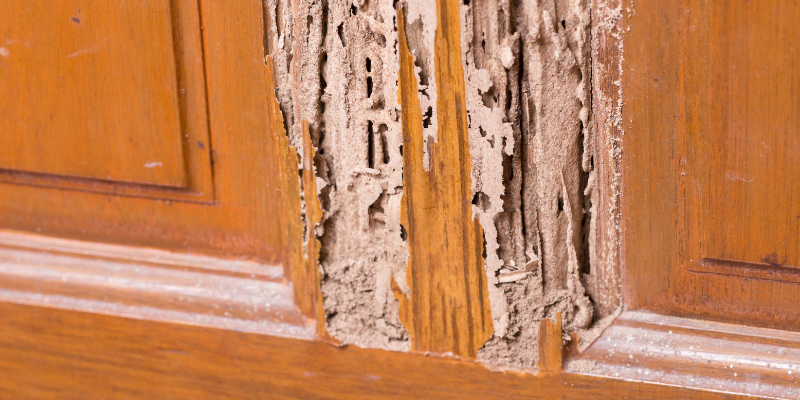
Selling a house in Washington with termite history can seem daunting, but it’s entirely manageable with the right approach. Understanding local regulations, effective treatment methods, and transparent communication can transform potential drawbacks into selling points. In Washington’s humid climate, proactive solutions are key to captivating buyers and ensuring a successful closing. Whether you’re a first-time home seller or an experienced market participant, leveraging expert insights will empower you to tackle this challenge with confidence and strategy. Dive into our guide to uncover the crucial steps for overcoming termite issues and achieving a seamless home-selling process.
Key Highlights
- Understanding and addressing termite history can transform potential drawbacks into selling points.
- Termite damage impacts home value through structural concerns, affecting market perception and price negotiations.
- Legal mandates in Washington require full disclosure of termite history to avoid future legal issues.
- Thorough termite inspections and treatment options are crucial for preparing a house for sale.
- Cash offers and careful consideration of remediation costs can attract buyers and enhance marketability.
Understanding Termite History and Its Impact on Selling
Termite history can significantly affect your house’s value and the overall selling process, notably in areas like Washington. Recognizing how past infestations influence property transactions is essential for home sellers. Whether it’s the potential decrease in home value or mandatory disclosure regulations, addressing these aspects with accuracy and transparency is crucial. This discussion explains why termite history affects sales and whether sellers must disclose it to potential buyers, offering insights into how to manage property sales effectively despite these challenges.
How Termite History Affects Home Value

Threats of structural damage from a home’s history of termite infestations will cause potential buyers to perceive a greater risk and factor termite repair expenses into the price they are willing to pay. Homes are valued less due to a history of termite infestations because of potential damage to the wooden structures from untended termite infestations.
In Washington, buyers typically perform a home inspection during the closing process, and termite problems will come to light. Buyers are likely to ask for less money, or not buy the home at all, in cases of prior termite infestations. The inspection report is clean, which is likely to increase home value and reduce buyer concerns.
Though home repairs increase buyers’ willingness to buy, many are still concerned about dealing with problems from a home’s previous infestations or the home’s revitalization. This results in lower home values, as homes have to stay on the market longer in competitive housing markets.
Legal considerations are extremely important because sellers must disclose a property’s termite history to avoid legal issues. Not doing this will lead to financial losses and damage to the seller’s reputation due to the problems collectively referred to as the negative value of a property.
The history of termite issues affects home value and condition, buyer perception, and market demand. Sellers can lessen the impacts of termite issues and even ease the sale of the home by repairing the issues, keeping the records of all work done, and being honest.
Do You Have to Disclose Termite History When Selling a House?
When selling a house in Washington, the presence of termites is a matter of public record, so sellers must disclose any information regarding a home’s history of termites. If a seller fails to provide public record information regarding termite issues, they risk becoming the target of a lawsuit.
Sellers are obligated to disclose and document the existence of any termite activity that is currently present and the location, size, and scope, as well as all treatment that may have been performed to mitigate the termite activity. This is often done and provided in the form of a home sales disclosure statement, which sellers provide as a part of the home sales process to home buyers.
Washington state is known for strict disclosure laws. Documenting the history of termites demonstrates good record-keeping and diligence. A legal record of termite activity is provided, and a complete record of the termite history is left to ensure that a seller’s future disputes are mitigated, if not eliminated.
Telling the truth about termites is the law, and the law can be used to the seller’s advantage. Truthfully stating a history of sales and treating termite activity helps sellers earn the buyer’s full trust. Buy trust can be used to sell a house at a significant markup, even if the buyers are aware that repairs will be required.
Providing a legal history of treating termites is a seller’s obligation, but it is no less than a sellout. Careful record-keeping and transparency protect sellers and improve the commercial real estate market.
How to Prepare a House with Termite History for Sale
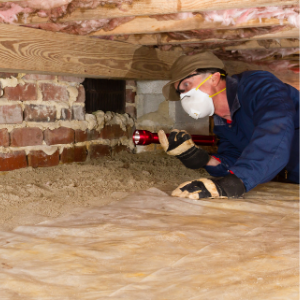
In Washington, selling a house with a history of termites requires extensive inspections, treatments, and transparency. After taking the necessary measures, you can protect your property value, and buyers will appreciate the hassle of properly managing termites less.
The first step in the process is to schedule a termite inspection with a pest control specialist. This step is important to determine whether you have a current termite issue and whether past termite damage remains a potential threat to the home’s structural integrity. Buyers in Washington will expect to find some sort of documentation, so a detailed inspection report will help your case and show that you did not have to wait a long time to add that to the negotiating and documentation process.
If potential termite damage is not repaired, treatment options need to be considered. Most homeowners use chemical treatments, which create a solidified barrier around their house, but some use bait systems, which, over time, will wipe out the existing termites. Lastly, you can use a heat treatment (also chemical-free) to solve your termite problem.
Because of these options, a professional pest control specialist is best suited to use them. This will show that the issue was treated with care, as long as you keep all the paperwork to show the treatments.
After completing the inspection and treatment, the next step is to assess any structural damage. Improving the value and appeal of a home to potential buyers can be accomplished by reinforcing structurally weak supports and repairing wood supports. Encouraging buyers means focusing on the house’s current issues rather than its previous problems. By focusing on termite issues, less appealing cosmetic improvements can even be sufficient.
A focus on a well-organized, well-structured set of foundation documents is nice. Buyers tend to prefer termite issues to be disclosed before selling the home. Trust is built, and the buyers’ second-guessing and concerns diminish. They must be ordered to meet the Washington disclosure mandates to protect the seller legally.
Lastly, the buyers’ fears of future pest problems must be addressed by reinforcing the positive pest control measures. Purchasing confidence is improved by selling the home with pest control, improved moisture mitigation, and structural support replacements.
If you personally inspect, treat, repair, and handle all repairs, and be as transparent as possible, you can prepare a home with a known termite history for sale. This will reduce the buyers’ concerns and make the process easier.
Strategies to Sell a House with Termite Damage
Selling a house with termite damage in Washington requires strategic planning and effective communication. Addressing the termite history, utilizing proven marketing strategies, and understanding buyers’ perceptions are crucial. Marketing your home while acknowledging past termite issues can attract informed buyers, while understanding the challenges and overcoming stigma can support a successful sale. By focusing on transparency and informed selling practices, you can increase your chances of selling your house efficiently, even with a termite history.
Marketing Your Home with Termite History to Potential Buyers
It can be difficult to sell a house with a past infestation and termite damage, but with the right marketing plan and pricing, it can be successful. The most important detail to keep in mind is to be open and honest, and to detail the problems, how you have fixed them, and how you have ensured termites won’t be a problem in the future.
Emphasizing future concerns and building trust in your documentation lessens concerns that you will be irresponsible and fail to manage the infestation. Dust and guidance on repair documentation will help, as will addressing infestation concerns and providing a repair summary.
It will help if you emphasize the house’s value drivers, such as location, schools, energy-efficient upgrades, etc. Proper staging will help a lot in achieving greater value.
Ensuring that the description of preventive efforts taken, such as additional maintenance or installed barriers, is well documented. If you accomplish this at an affordable price, it will ensure buyers are interested in buying it. The more buyers there are, the more serious and well-informed they will be.
Marketing for the home should show that it has been well cared for, is move-in ready, and has had the termite issue addressed. Seller’s focus on transparency, along with the positives, helps reduce hesitance and improve their chances of selling.
Is It Hard to Sell a House That Has Had Termites?
There are different ways to sell a home despite the prior termite issues. Of primary concern to buyers is the prospect of ongoing infestations and previously existing structural damage. In a place like Washington, where most structures are wood, those concerns are understandable. However, concerns are at their most manageable when they are foreshadowed by effective communication and preparation.
Address concerns first and foremost. Most buyers are concerned about the costs associated with repairs. In the case of termite damage, documentation of inspections, treatments, and repairs is highly convincing of the absence of an existing problem and renders the concern irrelevant.
There is a negative perception associated with having a termite problem, as prospective buyers are concerned about a home’s resale value. Positioning the home as one with an existing termite problem that has undergone repairs and preventive treatments (to reduce the risk of future infestations) helps shift the focus from what is now a problem to a lasting solution.
The termite history of the home will also affect how long it takes to sell. To make the home more sellable, it may require the buyer to be flexible and offer concessions to make it more desirable—things like a reduced price, repairs, or relaxed policies.
For homeowners looking to avoid delays and extensive negotiations, working with Kind House Buyers, a local cash home-buying company in Washington, can be a practical alternative. They specialize in helping homeowners sell fast for cash in Tacoma and nearby cities, often purchasing homes as-is, which means sellers may not need to complete repairs or worry about past termite issues.
In addition, strong presentation matters when listing traditionally. A well-maintained, properly staged home can highlight its strengths and minimize attention to past issues, reinforcing that the property is move-in ready.
Ultimately, selling a home with termite history comes down to transparency, preparation, and the right selling strategy. Whether listing on the market or working with a direct buyer like Kind House Buyers, sellers can reduce buyer concerns and move toward a faster, more confident closing. Contact us at (253) 216-2497 today!
Termite Remediation Costs vs. Concessions

When selling a home in Washington that has had termites, determining which buyer concessions to offer to offset remediation costs is part of the process. Sellers have to determine whether the treatment and repair costs or the financial incentive costs are better for attracting buyers or for maintaining the home’s value.
Remediation of termites may involve chemical treatments, baiting systems, or structural repairs. These repairs are certainly an expense, but making them is likely to improve the home’s marketability and justify a higher selling price.
If the costs of termite remediation are of concern, making concessions may be the only viable solution. Sellers may lower the home’s price, pay the closing costs, or even pay for post-remediation treatment. This strategy may even attract buyers who want to do some of the work themselves.
This strategy may be true based on the home’s condition or the local market demand. In a market with a high demand and fast-moving home sales, there may be no need for complete remediation. In a market with high demand and slow home sales, proof of remediation being completed may be required.
Creating a paper trail for inspections, treatments, and repairs is essential. Transparency creates trust. Buyers will understand the concern and how it was managed. Whether it’s remediation or concessions, clearly communicating your approach will aid negotiations and bolster buyer confidence.
Overall, a compromise strategy enables sellers to retain some financial reserves while giving the property a competitive posture and facilitating an easier, better sale.
FAQs
What should I do if my house has a history of termite damage?
Thorough termite inspections and implementing effective treatment options are crucial. Document past infestations and treatments, legally disclose history, and assure buyers of ongoing prevention measures.
Why is termite history significant when selling a house in Washington?
Termite history affects property value and requires mandatory disclosure in Washington to prevent legal issues. It impacts buyer perception and negotiation due to the potential structural damage termites cause.
How can selling a house with a known termite history affect my property’s market presence?
A house with a termite history may face buyer scrutiny, longer market times, and pricing adjustments. Transparency about past issues and showcasing repairs and prevention measures can improve marketability.
Are there strategic financial practices to consider if my home has had termite issues?
Sellers can consider cash offers to entice buyers seeking a faster process, and they can contemplate concessions on remediation costs in negotiations. Transparency and strategic pricing can mitigate concerns.
How does termite damage potentially alter property value?
Termites compromise structural integrity and trigger repair costs, influencing buyer caution and the market’s perception of safety. Ensuring treatments are in place can help maintain or enhance value.
Helpful Washington Blog Articles
- A Complete Guide to Paperwork for Selling a House by Owner In Washington
- Can I Sell My House With a Failed Septic System In Washington
- Can You Legally Live in a House Without Running Water in Washington
- Can You Sell a House in Foreclosure in Washington State
- Do All Heirs Have To Agree To Sell A Property In Washington
- How to Sell Rental Property in Washington State
- How Long After A Foreclosure Auction Must You Move Out In Washington
- How Long Can You Go Without Paying Your Property Taxes in Washington
- How Long Does it Take to Force the Sale of Property in Washington
- How Much Do You Lose Selling a House As Is in Washington
- How Much Does an Estate Have to Be Worth to Go to Probate in Washington
- 10 Cheapest Places to Live in Washington
- How Much Does Home Staging Cost In Washington State
- Can You Sell A House with Unpermitted Work In Washington
- How To File a Quitclaim Deed in Washington State
- How to Sell a House with Termites in Washington