
Learning that an inspection on a potential home purchase has failed can be disheartening. That said, homes in Washington state can still be sold (even with failed inspections). This guide is designed for homeowners who are attempting to sell their homes after an inspection. It is designed to cover legal compliance, strategies to attract buyers, and other useful tips for selling in Washington (the Evergreen State). Whether your focus is on correcting major defects or on highlighting some of the home’s other attributes, you will be equipped to sell your home through the tips offered throughout this guide. Most importantly, you will be able to sell your home with confidence.
Key Highlights
- Sell homes in Washington after failed inspections with the right strategies and legal guidance.
- Common inspection failures: structural issues, outdated systems, pest infestations, and water damage.
- Failed inspections decrease buyer interest and can be leveraged in price negotiations or to request repairs.
- Options post-failed inspection: sell “as is” or engage cash buyers for a faster sale.
- Pre-listing inspections uncover issues early, increasing negotiating power and market appeal.
Understanding What Happens When a Home Fails Inspection in Washington
It can feel daunting to think about selling a house in Washington without passing inspection, but that does not mean your sale is dead. There may be buyer hesitation about any issues found during the inspection, such as structural, electrical, or plumbing issues. Knowing why the inspection failed will help you gauge the concerns, how serious they are, and to what extent they will affect buyer confidence or your negotiation position.
Identifying the concerns will help you decide what your options really are, such as whether it is worth making repairs, whether I need to consider lowering the price, or whether I will sell as is and disclose the inspection findings. Knowing how to navigate the inspection concerns will increase the odds of a successful sale, even if there are concerns.
| Reason for Failure | Impact on Marketability | Potential Costs | Mitigation Strategies |
|---|---|---|---|
| Structural Issues | – Decreased buyer interest – Prolonged listing period | – Extensive repair expenses – Potential value depreciation | – Hire a certified contractor – Obtain a structural engineer’s report |
| Electrical Hazards | – Safety concerns for buyers – Difficulty securing mortgage approval | – Rewiring costs – Inspector re-evaluation fees | – Engage a licensed electrician – Obtain compliance certification |
| Roofing Problems | – Negative first impressions – Potential for mold issues | – Roof replacement or repair costs – Interior damage repairs | – Conduct roof inspection – Provide warranty documentation |
| Plumbing Failures | – Risk of water damage – Buyer skepticism on maintenance | – Pipe repair/replacement costs – Possible property damage restoration | – Use professional plumbing services – Regular maintenance records |
This table serves as a comprehensive guide that highlights the multifaceted issues arising from a failed home inspection in Washington and provides strategic insights to address them. By understanding the impact on marketability and anticipating potential costs, sellers can better prepare and implement effective mitigation strategies to enhance the appeal and salability of their properties.
Common Reasons a House Fails Inspection
Common failures, as sequenced in a report, affect marketability. Listed problems start with major structural issues: cracks in the foundation, an aging roof, and any issues with load-bearing walls. Problems like these are often costly, and buyers will be discouraged from pursuing a property. Washington and other states have older homes with plumbing and electrical systems that may not conform to current safety standards. Outdated and unsafe plumbing and electrical systems will create additional problems and potential future liabilities for a buyer.
Pest issues and water damage are, again, issues that a home’s inspection report may list. An exterminator will be needed, and repairs will be needed after a pest inspection if damage has been done. Water damage is more prevalent in Washington than in other states due to frequent rainfall. Water damage includes mold and rotting wood, both of which pose serious health risks. An inspector will check for moisture, and if they find anything, they will list it too; the inspection may fail due to those problems.
An additional frequently overlooked factor is noncompliance with local building codes. Homes with unpermitted renovations or do-it-yourself additions may not pass inspection, even if the additions comply with current regulations. For sellers in Washington, this may mean an expense to undo or fix the work done. This is one of the many things that illustrate the importance of pre-inspection; identifying and correcting problems preemptively reduces complications, streamlines the negotiation process, and enhances buyer assurance.
Kind House Buyers offers a straightforward, as-is home purchase for owners facing inspection issues. We buy houses with structural, pest, water, or code concerns, helping you avoid repairs, inspections, and delays while receiving a fair cash offer and a fast, stress-free closing.
Impact of a Failed Home Inspection on Selling Chances
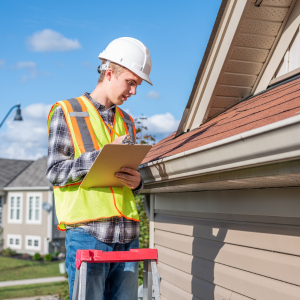
In highly competitive markets, most sellers in Washington may not see the consequences of poor home inspections. Telling buyers that repairs must be done in the future decreases their interest and raises the home’s price. Knowing that the home may need future repairs, buyers may negotiate and request a home inspection. This adds time to the home-selling process and may lead home sellers to accept offers they might otherwise decline.
The most prominent issue with poor home inspections is a decline in homebuyer activity. Home buyers get scared of hidden home issues that may be costly to repair and thus back off. Home buyers who want to negotiate after a home inspection limit the seller to new demands, increasing pressure on the home seller to accept home-selling conditions they may not agree to.
An inspection that reveals issues shouldn’t, by any means, be the end of the sale. Sellers may want to offer repair credits, express their intended future improvement plan, explain what has been done to resolve issues, or some combination of the three. Addressing transparency and flexibility issues can help regain the buyer’s trust, shorten the time the property is on the market, and turn a difficult situation into a more straightforward one, bringing the seller one step closer to a successful sale.
Navigating the aftermath of a failed home inspection can be daunting, but with the right strategies, sellers can restore buyer confidence and maintain favorable negotiations.
- Address major issues immediately and provide proof of repairs to reassure the buyer of your commitment to resolving concerns.
- Offer a credit to the buyer for minor repairs, allowing them to handle these on their timeline while maintaining goodwill.
- Consider renegotiating the sale price if necessary, using repair costs as leverage to reach a mutually satisfactory price.
- Provide a pre-inspection report that shows recent repairs or improvements, highlighting transparency and dedication to the property.
- Communicate openly about any findings, being ready to answer questions and discuss potential solutions or compromises.
- Leverage third-party opinions, such as expert advice, to validate your repair choices and enhance the credibility of your responses.
- Emphasize other appealing aspects of the property that add value and prove advantageous in the long term.
By taking these proactive steps, sellers can confidently navigate failed inspections while preserving buyer trust and encouraging successful negotiations.
Your Options After a Home Fails Inspection
In Washington State, house inspections can be disheartening, but that doesn’t mean sellers can’t push through and continue with their plans to sell. Sellers can continue to repair issues, offer repair credits, or sell for a lower price to account for the conditions. Being transparent with buyers about the problems identified during the inspection can be an opportunity to build trust with those willing to take on a challenge.
Selling to an investor or a cash buyer can be a good choice, as they have little to no concern about the inspection. These buyers focus on the house’s long-term value rather than its current usability. They allow for simple and fast closings. Washington sellers can make a failed inspection an easy part of the house-selling process by being flexible and smart.
Ways You Can Sell a Home After an Inspection Failure
In Washington, a home inspection that doesn’t pass isn’t the end of your home-selling journey, just the beginning of a chance to rethink your options. One possibility is to deal with cash buyers. These buyers tend not to worry about paint and small cracks and look at the big picture overall, and do not judge the small things. Plus, the process is more streamlined with no financing, delays, or negotiations or inspections to worry about.
You can also just try to close the gaps by fixing the big problems in the inspection report. Things like big-ticket repairs that address the safety and habitability of the home, crafting the sale of the home to a larger group of buyers by fixing big-ticket repairs, and also smoothing the negotiating process a lot. Investing in repairs can be worth it when negotiating a more reasonable asking price. It is better to be fair and reasonable, disclose the problems in the home, and give fair estimates of what will be repaired.
Your property’s strengths may help offset concerns about the inspection. Buyers may be motivated to take on some repairs for the long-term value that may come from a great location, larger lot, and/or special architectural features. Repair credits may be a compromise and are more flexible for the buyers to decide on post-closing than completing renovations yourself. In Washington’s fast-moving real estate market, the right approach and good communication can help sellers convert a challenging inspection into a successful sale.
If your home inspection didn’t go as planned, you still have options. Contact us today to receive a fair, no-obligation offer and learn how you can sell your Washington home quickly—often as-is, with no repairs or delays.
Strategies to Appeal to a Buyer Despite an Inspection Issue

Maintaining transparency, adaptability, and value will be your best-selling points for a house that did not pass inspection in Washington. To begin, be transparent and provide potential buyers with a copy of the inspection report. Explain what repairs you have done, and what repairs you will do. Openly discussing the property’s issues and the repairs that will be made can encourage buyers to trust you and negotiate in good faith.
Because of the wide range of inspection failures, pricing the home correctly to generate interest becomes critical. A competitive, realistic price for the property will appeal to buyers, as they will likely view the repairs as an opportunity rather than a constraint. Given that inspection reports can lead to price decreases, many buyers in Washington can take on renovations if the budget allows, so a price decrease will likely be worth it for the value gained in the long run.
Describe the potential of the property, while remaining flexible on your terms, to improve the appeal even more. Potential buyers appreciate time and cost savings. Existing permits, approvals for renovations, and time/value savings in redevelopment opportunities can yield time and cost savings. Confidence can be boosted through repair credits, seller concessions, and allowing buyers to speak with their own inspectors/contractors. These attributes foster an adaptable and communicative environment. You can position your property competitively and move towards a successful sale, even with the challenges of an initial inspection.
Preventing Inspection Failures in Washington
To complete a successful home sale in Washington, one must take steps to minimize inspection issues and avoid delays or a complete deal derailment. Preparing for a home inspection minimizes the risk of structural problems, safety concerns, or noncompliance with local housing codes. Significant focus by the home inspector/compliance officer in these areas can lead to the loss of the sale or a long delay in the home sale. Homeowners can greatly improve the salable condition of their home by addressing these issues through a pre-sale inspection.
This technique reduces the risk of an unwanted negative sale or home inspection in Washington, where home sale offers are tight. Committed homeowners who prepare their home for sale can greatly reduce the risk of unwanted home inspections and a price drop from the potential buyer. Homeowners can greatly improve the salable condition of their home by addressing these issues through a pre-sale inspection. This helps to make the home sale process more predictable and attractive to serious buyers.
Preparing for a Home Inspection: Key Areas to Focus On
Preparing your home for inspection is essential for sellers who want to maximize appeal and avoid inspection setbacks, especially when working with Washington cash buyers. In Washington’s climate, both structural soundness and moisture-related issues deserve special attention. Start by checking the foundation for cracks or shifting, inspecting the roof for missing shingles or leaks, and looking for any signs of water damage that could raise red flags during an inspection.
Equally important is that major systems are safe and operational. Plumbing, electrical, HVAC, and septic systems should be functional, as poorly functioning systems can derail a sale. In the Pacific Northwest, inspectors tend to be more detail-oriented regarding mold, mildew, and moisture buildup, which makes checking and addressing leaks in basements and attics, as well as pest issues like termites, more important.
Lastly, buyers are more impressed by well-kept homes. Simple improvements like fresh paint on the outside, new (or cut) bushes, and general construction maintenance let buyers know the home has been maintained. By doing these things, sellers will be more likely to get an inspection that doesn’t kill the sale and will be giving home buyers a more competitive inspection in Washington’s more competitive real estate market.
Importance of Pre-Listing Inspections in Washington
In Washington state, pre-listing inspections are becoming more common as a way for the sellers to minimize the chance of a buyer having deal-breaker issues. By conducting a pre-listing inspection, the seller completes the inspection themselves, determines the home’s repair needs, and decides which disclosures (if any) they will need to make, instead of waiting for the buyer to conduct their inspection and then having to respond to whatever the buyer’s inspection report reveals. The seller has more control over issues like a leaking roof or outdated wiring that could impact the home’s value, prompt last-minute negotiations, or discourage offers.
Buyers feel more confident when sellers conduct pre-listing inspections, as it demonstrates transparency about the condition of their homes. Sellers can provide buyers with inspection reports, repair receipts, and other documents to demonstrate that the house has been well-maintained. This transparency often gives sellers more negotiating power because they can fix problems and disclose them, or sell the house confidently at a price that accounts for them.
Also, pre-listing inspections help sellers mitigate risks and provide valuable insight into which upgrades to consider to improve the house’s marketability and appeal. Relatively inexpensive improvements, like adding energy-efficient elements to the house and other small changes, can enhance the house’s market position during the busy real estate season in Washington. In essence, inspections give sellers greater flexibility in how they position the house. Usually, buyers appreciate homes that show the care and effort sellers put into them.
Selling a Home “As Is” in Washington State
Home sellers in Washington State who would rather skip home repair hassles that lead to failed inspections or a home repair bill that comes in on the high side would benefit from the option to sell the house “as is”. The positives here are: the sellers get to move on from the home, and the buyers know that they are accepting the home, “as is”. Buyer and seller expectations are clear and can make for an easier negotiation process.
The positives here are not without negatives. An “as is” sale in Washington State is not without the expectation that the seller will make a full disclosure of the known defects in the home. While Washington state home sale legalities make them a bit more complicated, doing an “as is” sale in Washington state remains completely legal and can continue to protect the interests of both parties. Transparency helps to build trust and reduce legal disputes.
Legal Considerations for Selling As Is in Washington
To sell your house fast in Seattle and surrounding cities in Washington, especially as-is, it’s essential to understand the legal responsibilities involved. An as-is sale does not exempt sellers from disclosing known defects. Washington law requires sellers to complete the state-mandated Form 17, which details any known issues with the property, including structural concerns, unpermitted work, past damage, or problems uncovered during inspections. These disclosures are designed to ensure transparency and protect both parties by reducing the likelihood of disputes after closing.
While selling a home in as-is condition looks simple, it shapes buyer perceptions and influences the course of negotiations. Incomplete home sales can lead the buyer to view the transaction as a high risk, which may depress the sale price and even discourage the potential buyer entirely. However, as-is home sales attract cash buyers who view such properties as investments rather than homes requiring cosmetic repairs. Such buyers tend to make quick offers on homes, even when they are in dire condition, so long as the property has strong location value or redevelopment potential.
When selling property, it is equally important to ensure it has a clear title and is free of liens, judgments, or other legal claims. If any legal issues exist, it may lead to a delay or even a sale derailment. Sellers may be assisted by Washington real estate attorneys in organizing legal documentation, reviewing sales contracts, and ensuring compliance with applicable zoning laws, county zoning regulations, and other planning permits. Taking proactive steps on these legal issues protects a seller’s interests and keeps the transaction on course.
Pricing the home appropriately is also critical in an as-is sale. While repairs are not expected, sellers should still evaluate comparable properties to establish a fair market price that reflects the home’s condition. Transparent disclosures combined with realistic pricing can attract serious buyers and reduce excessive negotiation demands tied to repair costs. With proper legal diligence and a sound pricing strategy, sellers can successfully navigate Washington’s as-is home sale process.
Successfully selling a home with a failed inspection in Washington is not only possible but also an opportunity to engage with determined buyers seeking a solid investment. By clearly addressing each inspection issue, you can negotiate favorable terms or consider creative selling solutions, such as offering repair credits. Further assistance from experienced local professionals can streamline these processes. Being transparent allays buyer concerns and enhances trust, leading to a smoother transaction. For more in-depth strategies, download our comprehensive guide now and unlock tips tailored to Washington’s unique market.
FAQs:
What are common reasons for a failed home inspection in Washington?
Common reasons include structural problems such as foundation cracks, outdated plumbing or electrical systems, pest infestations, and water damage due to Washington’s climate.
What can sellers do after a house fails inspection in Washington?
Sellers can opt to make repairs, sell the house “as is,” or sell to cash buyers. Offering repair credits or being transparent about issues can also help attract buyers.
How does a failed inspection impact the selling process?
A failed inspection can reduce buyer interest, lead to price negotiations or repair requests, and potentially increase the time the property stays on the market.
How can pre-listing inspections benefit sellers in Washington?
Pre-listing inspections can uncover issues early, allowing sellers to address them proactively. This can increase negotiating power, market appeal, and potentially lead to a quicker sale.
What legal considerations are important when selling a home “as is” in Washington?
Sellers must disclose known issues despite selling “as is.” Completing the state-mandated disclosure form and ensuring clear ownership titles are vital for compliance.
Do you need to sell your house? Sell it quickly, avoid costly repairs, or prefer a hassle-free sale. Kind House Buyers is here to help. We offer fair cash offers, handle all the details, and make the process seamless. Ready to sell or have questions? Call us at (253) 216-2497 for a no-obligation offer. Get started today!
Helpful Washington Blog Articles
- Understanding Hospital Liens On Your Home In Washington
- Guide To Removing Your Name From A Mortgage In Washington Real Estate
- Selling Half Of Your Home In Washington
- Should I Renovate My House Or Sell As Is In Washington
- Documents Required for Selling Inherited Property in Washington
- Cost of Asbestos Removal in Washington
- How Long Should It Take to Sell a House in Washington
- Who Can Put A Lien On A Property In Washington
- Can I Legally Sell My House To My Spouse in Washington
- Can You Sell a House That Failed Inspection in Washington?
- How to Sell a Condemned House in Washington
- Does a Seller Pay Closing Costs in Washington?