


Family photos fill your walls. You know which step creaks and where morning light hits best. But financial pressure keeps mounting, and the equity locked in your home feels out of reach while bills pile up. Someone mentioned companies that buy houses and let you stay. It sounds almost too good to be true.
Here’s the reality: yes, you can sell your house and continue living there, but you become a tenant, not an owner. Companies now purchase homes directly from homeowners and lease them back, creating a hybrid solution for people who need cash but can’t afford to relocate.
What Is a Sale-Leaseback Agreement?
Ordinarily, selling a house means moving to a new one. That assumption has changed due to sale-leaseback programs.
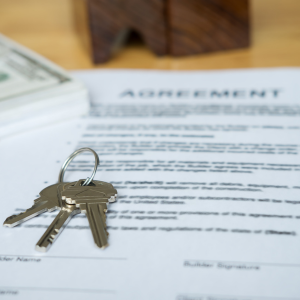
People participating in a sale-leaseback program first sell their house to a new owner. Instead of moving, these people agree to stay in their home by signing a formal lease as tenants. The new owner is usually an investor or a company that buys homes to rent back. The remaining balance of the mortgage gets paid off on the sale, and the sale-leaseback participant gets either all or a major portion of their equity in cash, while the rest gets paid off in rent. Equity is usually about 75%. From that point on, the sale-leaseback participant has to pay rent instead of a mortgage.
Several national companies offer sale-leaseback programs, and the terms vary widely between them. A lease agreement with the new owner is signed, a property valuation is performed, and a cash payout based on the current equity occurs. The standard lease agreement for a sale-leaseback agreement is usually for one year and has the option to extend, repurchase, or sell on the open market. The process fee and closing-related costs are the sale-leaseback companies’ profit margins. These sales are becoming increasingly more popular as home equity gets bigger.
Based on Federal Reserve data, total home equity has already passed $35 trillion, while the total value of homes exceeds $48 trillion. The average homeowner has about $200,000 in equity. Sale-leaseback agreements can help some homeowners cover immediate costs, though they are not the right fit for everyone.
Benefits of Selling Your House and Staying as a Tenant
The primary advantage is immediate liquidity without relocation. Homeowners access their equity without moving, preserving community ties and avoiding the emotional and logistical burden of finding a new home during a financial crisis.
Traditional borrowing options exclude many homeowners. Volatile interest rates have effectively locked over 9 million homeowners out of refinancing or home equity products. Banks won’t approve HELOCs for applicants with poor credit or irregular income. Home equity loans require stable employment and debt-to-income ratios that many families can’t meet.
Sale-leaseback bypasses these requirements entirely. Because the home is being sold rather than borrowed against, credit scores, employment verification, and income documentation matter far less than the property’s appraised value. That makes these arrangements accessible to:
- Credit-damaged homeowners who have been denied traditional lending
- Self-employed individuals with irregular or hard-to-document income
- Retirees on fixed incomes who do not meet debt-to-income requirements
- Families with recent bankruptcies that disqualify them from conventional loans
- Homeowners facing imminent foreclosure who need cash faster than a bank can process it
Speed is another meaningful advantage. Traditional home sales take months due to mortgage approvals, inspections, and appraisals. Working with cash home buyers in Washington can close in weeks, which makes a significant difference when foreclosure is imminent or medical bills demand immediate payment.
Risks and Disadvantages of Sale-Leaseback Agreements
Getting this wrong means permanently losing your home and owing thousands in unexpected fees.
The most fundamental risk is one of mindset: once you sign the deed over, you own nothing but a lease. Legal protections that apply to homeowners do not apply to tenants. Foreclosure laws give homeowners months of notice and court proceedings. Eviction laws give tenants far less time and fewer rights. Miss a rent payment, and you may face a 14-day notice to pay or vacate in Washington rather than a lengthy legal process.

Rent increases are a persistent concern. In Baselane’s 2025 survey of landlords, 85% reported raising rents in 2024, with nearly one-third increasing them by 6 to 10%. Unlike a fixed mortgage payment, rent follows market rates and can rise significantly at renewal.
Buyback options sound promising but rarely materialize. An NPR investigation found that these sales cost some sellers tens of thousands of dollars in equity, and the vast majority never repurchase their homes. Companies structure repurchase prices to include appreciation, fees, and holding costs that make buybacks financially out of reach for most sellers.
Maintenance and repairs shift to the new owner, which sounds like a benefit until requests are ignored or handled poorly. Property taxes, insurance, and major improvements become the landlord’s responsibility, but so does the decision about how quickly and how well those obligations get met.
Market timing also introduces risk. A softening in home-price appreciation contributed to mortgage-holding homeowners losing an average of $4,200 in equity between Q1 2024 and Q1 2025. Sellers lock in valuations at signing, with no upside if the market recovers.
How to Choose the Right Option for Your Financial Situation
Sale-leasebacks are not the right solution for everyone. Choosing correctly depends on your specific financial circumstances.
| Your Situation | Best Option |
|---|---|
| Good credit, stable income | HELOC, home equity loan, or refinancing |
| Poor credit or irregular income | Sale-leaseback |
| Eminent foreclosure needs cash fast. | Sale-leaseback with the fastest closing |
| Self-employed or recent bankruptcy | Sale-leaseback |
| Wants to stay long-term | Sale-leaseback with multi-year lease |
| Planning to relocate within a year | Traditional sale |
Homeowners facing imminent foreclosure may need maximum cash quickly, even if lease terms are not ideal. Someone with a steady income but large medical bills might prioritize favorable lease terms over the highest possible payout. Traditional mortgage products, including HELOCs, home equity loans, or refinancing, still offer lower total costs for homeowners with good credit and stable income.
Sale-leasebacks make the most sense when conventional lending is not available. As of 2026, approximately 62.2% of households report home equity with a median value of $198,000, while about 35.7% hold home debt with a median value of $160,000. Homeowners with substantial equity but borrowing profiles that don’t meet bank requirements are the most natural candidates. Working with a cash home buyer in Seattle or a cash home buyer in Spokane can help homeowners in this position find a faster path to liquidity without the barriers of traditional lending.
Before signing anything, establish a clear exit strategy. If repurchasing within two years is the goal, buyback terms matter more than monthly rent. If the plan is to relocate after a fixed period, lease length and termination clauses deserve the most scrutiny.
Companies structure deals differently. Some prioritize speed over payout size, others offer higher percentages with longer timelines, and a few specialize in longer-term arrangements that resemble rent-to-own agreements. Comparing multiple providers before committing is worth the time.
Can You Sell Your House to a Family Member and Continue Living There?
Sales from parents to adult children are the most common form of intrafamily sale-leaseback. The parent receives cash from the transaction while the home remains in the family, an arrangement that can serve both estate planning and liquidity goals simultaneously.
These deals carry several complications that don’t apply to arm’s-length transactions.

Gift tax exposure. If the home is sold below fair market value, the IRS treats the discount as a taxable gift. For example, if a home appraised at $400,000 is sold to a child for $300,000, the $100,000 difference counts toward the lifetime gift tax exemption. A tax professional should review any below-market sale before closing.
Mortgage complications. If the buying family member needs financing, lenders scrutinize intrafamily transactions closely. Some loan programs restrict financing on non-arm’s-length sales or require additional documentation that an open-market transaction wouldn’t need.
Estate planning implications. Once the property transfers, it no longer forms part of the seller’s estate. That can simplify probate but also means other heirs won’t inherit the asset. If the selling parent later needs Medicaid, a recent property transfer may trigger a look-back period review.
Relationship risk. Financial arrangements between family members routinely cause conflict, especially if the parent can no longer pay rent or disagreements arise over maintenance. Put everything in writing: a formal lease, a defined repurchase option if desired, and a clear plan for what happens if the parent dies while still occupying the home.
Intrafamily sale-leasebacks work best when expectations are explicit, every term is documented by an attorney, and all family members understand the plan from the start.
How to Prepare Your Home for a Sale-Leaseback While Occupying It
Even though buyers are evaluating your home as an investment property rather than a place to live, presentation still matters. A well-maintained home signals lower future maintenance costs to an investor, which can translate into a higher offer.
Declutter and Depersonalize
Pack nonessential items, personal collections, and extra furniture into storage. Buyers and appraisers need to assess the structure and space, not navigate around belongings. Focus especially on kitchens, bathrooms, and storage areas: these get the most scrutiny.
Document the Current Condition
Photograph every room, all major appliances, and any existing damage before the transaction closes. That record protects you later, because your photos establish what was already damaged before you became a tenant and what was not.
Make Minor Repairs Selectively
Replace burned-out bulbs, patch small wall holes, and fix dripping faucets. These small repairs signal that the property has been maintained. Skip major renovations: you’re no longer investing in your own asset, and the cost is unlikely to be recovered in a higher offer.
Be Flexible With Access
Many sale-leaseback buyers can complete their evaluation with photos and local market data, reducing the need for in-person showings. Still, be prepared to accommodate inspections and appraisals on short notice. Buyers who can move quickly often close in weeks, which matters if you’re under financial pressure.
Review Your Lease Carefully Before Closing
Once the home is sold, your leverage disappears. Scrutinize every clause before signing: rent escalation provisions, maintenance responsibilities, renewal terms, and what happens if the new owner decides to sell. An independent real estate attorney reviewing the lease is money well spent.
Frequently Asked Questions
What is it called when you sell your home but still live in it?
This arrangement is called a sale-leaseback or a sell-and-stay transaction. The seller transfers ownership at closing and simultaneously signs a lease to remain in the property as a tenant.
How hard is it to sell a house while living in it?
For sale-leaseback transactions specifically, it is not significantly more difficult. Many buyers in this space require fewer showings than a traditional listing and can evaluate the property largely from photos and market data. The main coordination required is being available for inspections and keeping the home presentable.
How long can you stay after selling in a leaseback?
Most sale-leaseback providers start with a 12-month lease and offer multi-year extensions. The specific terms vary by company. Review renewal provisions carefully: some agreements allow rent increases at each extension, while others offer rate caps for longer commitments.
What happens if you miss a rent payment?
Missing a rent payment after a sale-leaseback puts you in a far more vulnerable position than a homeowner who misses a mortgage payment. Foreclosure is a lengthy legal process with mandatory notices and waiting periods. Eviction can move much faster, and in Washington a landlord can start with a 14-day notice to pay or vacate for unpaid rent. This is one of the most significant risks to understand before agreeing to any sell-and-stay arrangement.
What are the alternatives if a sale-leaseback doesn’t fit?
Homeowners with good credit and stable income should evaluate HELOCs, home equity loans, and refinancing first: they carry lower total costs. Those at risk of foreclosure have additional options: mortgage forbearance programs, government-backed assistance, and nonprofit housing counseling services. The Consumer Financial Protection Bureau and HUD both maintain directories of certified housing counselors who offer free or low-cost guidance.
Sale-leaseback arrangements offer a genuine solution for homeowners in the right circumstances, but they carry real risks that deserve careful consideration before signing. The moment you transfer the deed, your legal standing changes fundamentally: from owner to tenant. Understanding that shift clearly is the best protection you have.
If you’re weighing this option, speak with an independent financial advisor or housing counselor alongside any company that’s making an offer. Kind House Buyers is happy to walk you through what makes sense for your specific situation with no pressure or obligation. Feel free to contact us to get started.