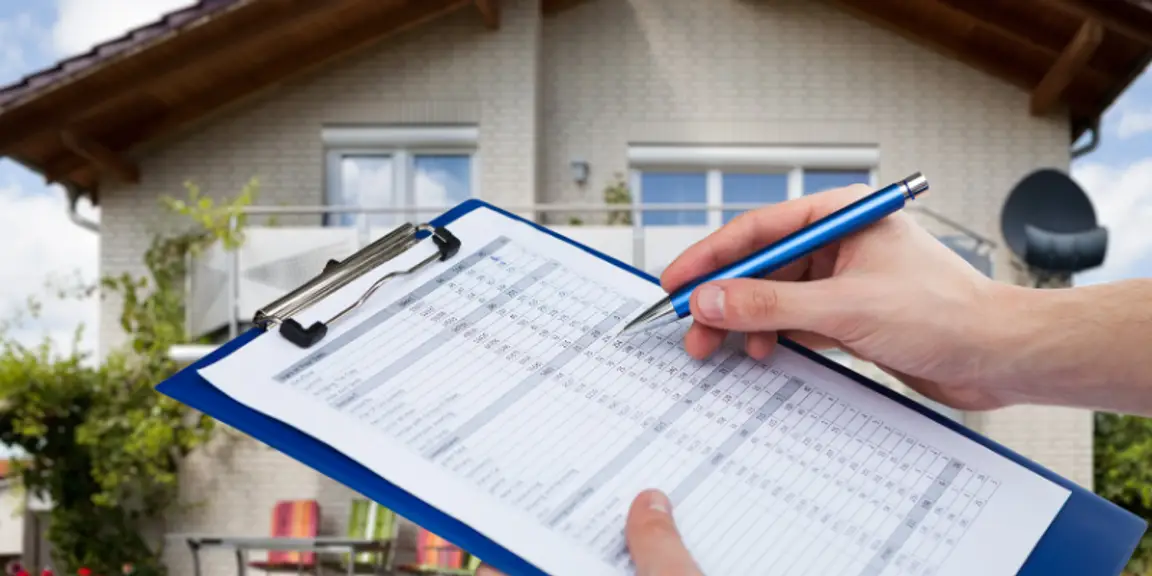

Home appraisal and inspection fees are two separate costs buyers are responsible for, and if you’re purchasing your first house, the combined total can catch you off guard.
Buyers rarely realize they’re paying for both services until the final cost breakdown arrives. Here’s who’s responsible for what, so you can budget properly and avoid surprises at closing.
Home Appraisal vs. Home Inspection: Differences Every Buyer Should Know
Both services evaluate your future home, but they protect different parties and look for different problems. An appraisal determines the property’s market value for the lender, while a home inspection examines the home and its systems to find problems you should know about before buying.
Your lender orders the appraisal to protect their investment. They won’t loan you more money than the house is worth. If you default, they need to sell it and recover their funds. The appraiser typically spends around two hours walking through the property, checking square footage, noting obvious defects, and comparing your house to recent sales in the neighborhood.
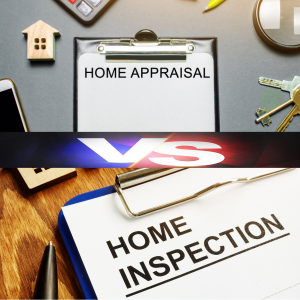
Appraisers follow strict guidelines set by the Uniform Standards of Professional Appraisal Practice (USPAP). They photograph every room, measure exterior walls, and document any health or safety issues that could affect value. Unlike inspectors, they’re not testing HVAC systems or opening electrical panels. Their job is market value, not mechanical condition.
The inspector protects you, not the bank. A thorough inspector crawls through basements, climbs on roofs, and tests every system in the house. They’ll catch issues the appraiser missed and give you a solid footing for negotiations or a clear reason to walk away.
A thorough inspection typically takes three to four hours for an average-sized home. The inspector tests electrical outlets, runs water in every fixture, operates garage door openers, and checks for proper ventilation. They’ll also examine the foundation for cracks, test smoke detectors, and look for signs of pest activity or water damage. If termites turn up, don’t panic: you can still sell a house with termites, and the process is more manageable than most sellers expect.
Skipping the inspection to save a few hundred dollars is a false economy. Buyers who forgo it have discovered foundation problems or faulty wiring after moving in, with repairs costing several times what the inspection would have. A few hundred dollars upfront can save thousands later. If you have questions about how inspections affect a sale, feel free to contact us directly.
Timing matters too. Schedule your inspection within the first few days of your contract period, especially with a short inspection contingency. Most contracts give you seven to ten days to complete inspections and request repairs.
Home Appraisal vs. Home Inspection Cost Comparison
Understanding the difference between these two services helps you know what you’re paying for and why both matter. Here’s how they stack up:
| Home Appraisal | Home Inspection | |
|---|---|---|
| Purpose | Determines market value | Evaluates physical condition |
| Who it protects | The lender | The buyer |
| Who orders it? | The lender | The buyer |
| Who pays? | The buyer | The buyer |
| Typical cost | $325 to $500 | $280 to $425 |
| Time required | About 2 hours | 3 to 4 hours |
| Required for mortgage | Yes. | No, but strongly recommended. |
| Result | Appraised value report | Detailed condition report |
As the table shows, both services ultimately come out of the buyer’s pocket, but they serve entirely different purposes in the transaction. If you are selling your home instead of buying, Kind House Buyers can walk you through how the process works without requiring a traditional appraisal or inspection on your end.
How Much Does a Home Appraisal Cost, and Who Pays the Fee?
Appraisals are non-negotiable if you’re financing, and the cost falls on the buyer.
You’ll pay the appraisal fee upfront, usually within days of your loan application. Lenders typically require it before the full loan approval process moves forward.
For a standard single-family home, appraisal fees generally range from $325 to $500. Government-backed loans, including FHA, VA, and USDA, tend to cost more due to additional requirements, typically running $400 to $900.
Location affects pricing significantly. In high-cost metros like San Francisco or New York City, appraisals often exceed $600 due to higher operational costs and complex market conditions. Rural properties may also run higher because appraisers travel longer distances and comparable sales are harder to find.
Property type plays a role as well. Condominiums typically cost $25 to $50 less than single-family homes since the appraiser doesn’t evaluate land or exterior structures. Manufactured homes require specialized appraisers and often run $75 to $100 more than traditional properties.
Can sellers pay the appraisal fee? Sometimes. In slower markets, sellers might agree to cover it as part of negotiations, but don’t count on it.
Some borrowers also qualify for appraisal waivers. Fannie Mae and Freddie Mac have expanded their automated valuation systems, and roughly 15% of conventional purchase loans now receive waivers, particularly for well-qualified borrowers or refinances with a recent appraisal already on file.
Home Inspection Cost for Buyers: What to Expect and Who Pays
Buyers pay for their own inspections. Unlike appraisals, which protect the lender, inspections exist purely for the buyer’s benefit, which is exactly why the buyer covers the cost.
Most inspectors require payment at the time of service, though some will wait until closing.
The average home inspection costs between $280 and $425, depending on location, home size, and the inspector’s fees. Base prices typically apply to single-family homes up to 2,000 square feet, with costs increasing by roughly $25 for every additional 500 square feet.
Older homes add complexity. Houses built before 1980 often require extra attention to electrical systems, plumbing, and insulation that may not meet current codes. Inspectors spend more time documenting these systems, which can add $50 to $100 to the base fee.
Geographic location drives pricing differences as well. Inspectors in California average around $425 for standard homes, while those in smaller Midwest markets might charge $275 for the same service. Hurricane-prone areas like Florida often cost more because inspectors assess wind damage resistance and storm shuttering.
Attending your inspection is strongly recommended. You’ll learn about your future home’s quirks and maintenance needs directly from the professional. If you can’t attend, you’ll receive a detailed written report within 24 hours.
If the inspection reveals problems, you have options: request repairs, negotiate a credit at closing, or walk away if your contract includes an inspection contingency. Focus negotiations on safety issues like faulty wiring or structural problems rather than cosmetic items. Major mechanical systems like HVAC, plumbing, and roofing carry the highest repair costs and should be your priority. Homeowners in Washington who want to skip the inspection process entirely can sell to a cash buyer who takes the property as-is, including cash home buyers in Lakewood and cash home buyers in Federal Way.
Additional Home Inspection Services and Their Costs
A standard inspection covers the essentials, but specialty tests can protect you from expensive surprises that a general inspection won’t catch. Each additional service carries its own fee and is worth considering based on your property’s age, location, and condition.
Lead paint inspection runs $230 to $415, with soil and water testing adding up to $300 more. Essential for homes built before 1978, especially if young children will be living there. Certified inspectors normally use XRF analyzers, which read lead through multiple paint layers, though laboratory analysis of paint chips is also accepted.
Radon testing costs around $150 and requires a minimum 48-hour testing window. The VA dropped its radon testing requirement for appraisals ordered on or after May 1, 2026, though testing is still worth doing in higher-radon areas. The EPA estimates one in fifteen homes has elevated radon levels. Long-term testing over 90 days provides more accurate readings than short-term methods.
Pest inspection averages around $100 and is required for VA loans in designated higher-risk states. Washington is not one of them, so here a VA appraiser calls for it only when there are signs of wood-destroying insects. Comprehensive pest inspections cover termites, carpenter ants, wood-boring beetles, and rodent activity, not just the termite-focused checks some buyers assume.
Mold inspection costs $300 to $1,015 depending on home size and location. If you can already see water damage or smell mustiness, you have your answer. Otherwise, legitimate mold testing involves air and surface sampling, with lab results taking three to five business days.
Roof inspection averages $215, with most homeowners paying between $120 and $315. Inspectors may use camera drones for difficult-to-access roofs, which can push costs up to $400.
Soil testing costs around $1,325 for most residential lots and is generally only relevant for larger-acreage purchases or new construction.
Who Pays the Home Appraisal Fee When a Real Estate Sale Falls Through
This is the question every nervous buyer eventually asks, and the answer isn’t what most people hope to hear.
You’re responsible for the appraisal fee even if the sale doesn’t close. Whether financing falls through, the seller backs out, or you discover sale-breaking issues during inspection, the appraisal fee typically remains your responsibility.
Some appraisers require payment in advance specifically to ensure they’re compensated regardless of whether the transaction closes. Others accept payment at closing but include contract language requiring payment from the responsible party even if the purchase falls through. Read your appraisal agreement carefully before signing.
Low appraisals account for approximately 4% of canceled purchase contracts. When the appraised value comes in below your contract price, you have three options: pay the difference in cash, renegotiate the price with the seller, or cancel the contract. In any of these scenarios, the appraisal fee is non-refundable.
The same applies to inspections. You hired the inspector, so you pay them, regardless of whether you proceed with the purchase. This protects the inspector’s time and expertise.
One important note: appraisals are property-specific and cannot be transferred to another address. If you’re evaluating multiple properties at the same time, budget for the possibility of multiple appraisal fees.
To minimize wasted costs, get pre-approved before making offers and structure contracts with appraisal contingencies that protect you if the valuation comes in low. Here’s a quick checklist to protect yourself before and after going under contract:
- Get pre-approved before making any offers so your budget and loan eligibility are confirmed upfront
- Choose properties carefully to avoid paying for multiple appraisals on homes you’re unlikely to buy
- Include an appraisal contingency in your contract so you can exit without penalty if the valuation comes in low
- Schedule the appraisal immediately after your offer is accepted to avoid delays in your loan timeline
- Book your inspection within the first two to three days of your contract period to leave room for follow-up if needed
- Review your appraisal agreement before signing so you understand exactly when payment is due and under what conditions
Homeowners who want to avoid the uncertainty of the traditional process have another option. We buy houses in Washington without requiring appraisals or inspections from the seller’s side.
Frequently Asked Questions
Who Usually Pays the Appraisal Fee?
The buyer pays the appraisal fee in most transactions since it’s required by the lender to approve the mortgage. Costs typically range from $325 to $500 for a standard single-family home. Sellers can agree to cover it through negotiation, but this is uncommon and usually limited to slow markets.
Is a Home Inspection Required to Get a Mortgage?
No. Lenders require an appraisal, not an inspection. The appraisal protects the lender’s investment by confirming the property’s market value. A home inspection is optional from the lender’s perspective but strongly recommended for the buyer. Skipping it means taking on full financial risk for any undiscovered problems after closing.
How Much Is an Appraisal for a 2,000 Sq Ft House?
A 2,000-square-foot home typically costs between $325 and $500 to appraise, depending on location and complexity. Government-backed loans can push that to $400 to $900. Rural properties or homes with few comparable sales nearby may also cost more.
Should I Pay for the Appraisal Before the Inspection?
Yes. Your lender requires the appraisal upfront as part of processing your loan application. Inspections can usually wait until after your offer is accepted and you’re under contract. This order also protects you. If the appraisal comes in low and kills the sale, you haven’t already spent money on an inspection.
Can You Negotiate Who Pays for the Home Inspection?
In most transactions, no. Home inspections are considered a buyer expense, and sellers rarely agree to cover them. However, if inspection results reveal significant problems, buyers can negotiate repair credits or price reductions at closing. The inspection cost itself stays with the buyer regardless of the outcome.